JETZ Foods

The Global Era of Pea Protein: Industrial Status and Growth
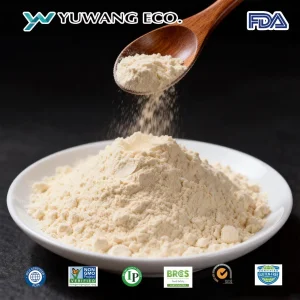
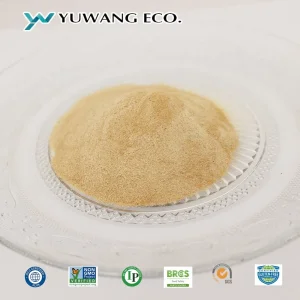
In the rapidly evolving landscape of global nutrition, Pea Protein has emerged as a frontrunner in the alternative protein market. As a custom pea protein products manufacturer, we have witnessed a seismic shift in consumer preferences from animal-based proteins to sustainable, plant-based alternatives. The global pea protein market size was valued at several billion dollars in recent years and is projected to expand at a compound annual growth rate (CAGR) of over 12% through 2030.
This growth is fueled by several critical factors: the rise of veganism, increasing lactose intolerance, and a heightened awareness of the environmental impact of livestock farming. Unlike soy or whey, pea protein is naturally hypoallergenic, non-GMO, and gluten-free, making it the ideal "clean label" ingredient for modern food science.

Global Industry Trends and Technological Innovation
Today's industrial pea protein sector is no longer just about "powder." It is about Functionality. Manufacturers and factories are now focusing on:
High Solubility
Advanced extraction techniques ensure that pea protein can be seamlessly integrated into beverages without gritty textures.
Texturization (TVP)
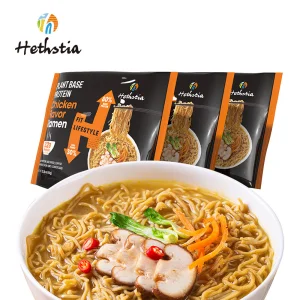
Textured Vegetable Protein (TVP) derived from peas is the backbone of the "next-gen" meat analogues, providing a fibrous, meat-like bite.
Clean Label Processing
Using mechanical and enzyme-based separation rather than chemical solvents to maintain the "Natural" status of the final product.