The global probiotic market is no longer just a niche in the health food aisle. It has evolved into a powerhouse industry, projected to exceed USD 75 billion by 2027. As consumers worldwide shift from reactive healthcare to proactive wellness, probiotic-rich foods have become the cornerstone of modern nutrition.
From the industrial hubs of China to the artisanal kitchens of Europe, the supply chain for these functional foods is more complex and technologically advanced than ever before. For global procurement officers and food brands, finding the right probiotic food factory means looking for a partner that balances strain stability, bioavailability, and large-scale manufacturing capacity.

The undisputed king of the probiotic sector. Modern factories now focus on multi-strain encapsulation, ensuring that Lactobacillus and Bifidobacterium survive the shelf life. The trend is shifting toward soy-based and almond-based yogurts for the vegan market.
Kefir contains a diverse range of bacteria and yeast. Suppliers are seeing a massive spike in demand for "Kefir grains" and ready-to-drink (RTD) bottled versions that cater to the on-the-go professional.
An ancient food meeting modern tech. Industrial sauerkraut production requires precise temperature control and salt concentration to ensure the natural growth of Leuconostoc mesenteroides.
Korea's gift to global health. Suppliers are now exporting Kimchi not just as a side dish, but as a "flavor powder" or "Kimchi probiotic extract" for the snack industry.
A staple in Asian cuisine, Miso is rich in Aspergillus oryzae. Commercial suppliers provide various grades (white, red, yellow) for the global soup and seasoning industry.
The "functional soda." The kombucha industry is characterized by its SCOBY (Symbiotic Culture of Bacteria and Yeast). Factories are now producing low-sugar, shelf-stable versions using pasteurization followed by probiotic re-inoculation.
A high-protein probiotic powerhouse. Tempeh factories are central to the plant-based meat revolution, providing a texture that mimics animal protein while maintaining gut health benefits.
Famous for Bacillus subtilis and Nattokinase. While traditionally pungent, modern food tech is developing "odorless Natto" to expand its appeal to Western markets.
The fastest-growing segment. OEM factories in China are leading the world in gummy technology, making probiotic intake convenient and tasty for children and adults alike.
Including fermented oats and millet. These foods are becoming the base for the next generation of "gut-friendly" breakfast cereals and instant noodles.
AI-driven probiotics tailored to individual gut microbiomes are the next frontier for suppliers and medical-grade factories.
Heat-stabilized dead bacteria that still offer health benefits, allowing for probiotic application in high-heat processed foods like bakery products.
Suppliers are removing artificial stabilizers, relying on natural fermentation and soy protein isolates to achieve desired textures.
As a leading Chinese industrial player, Zhengzhou JETZ Foods Co., Ltd. serves as a critical bridge between high-quality global sources and massive market demand. We specialize in "specialization, standardization, and internationalization."
Supplying shelf-stable probiotic snacks and premium imported fermented products for high-end retail chains.
Providing high-CFU raw materials for pharmaceutical-grade dietary supplements and gut-health capsules.
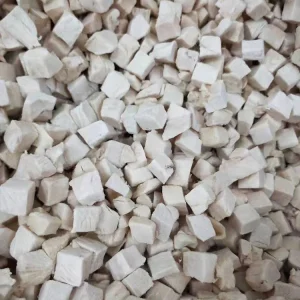
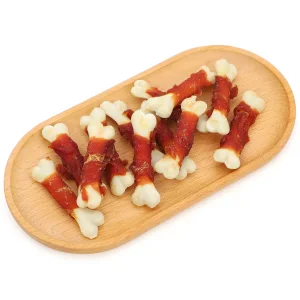
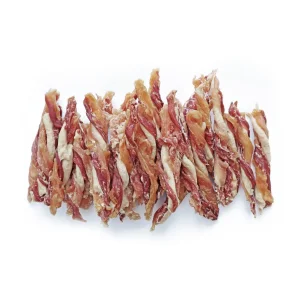
Applying probiotic science to pet health, offering freeze-dried treats and high-protein dog food optimized for digestive health.
China has become a global hub for probiotic manufacturing due to several key factors:
1. Scalability: Factories in China can handle orders from small boutique batches to massive multi-ton industrial supplies.
2. Cost-Efficiency: Advanced automation and integrated supply chains (like the one JETZ operates) reduce the unit cost of high-quality probiotic strains.
3. Technological R&D: Chinese researchers are at the forefront of "Strain Stability" tech, ensuring that probiotics remain active even in challenging climates.
4. Logistics: With hubs like Zhengzhou, the "One Belt One Road" network allows for rapid rail and sea transport to Europe, Southeast Asia, and beyond.
To be a nationally leading and global recognized importer of superior quality food and beverage.
Expertise in wholesale and retail business for high-end imported foods.
A complete network delivering products directly from factory to final consumer.
Managing fourteen international brands and five self-owned brands with excellence.
Our International Brand Partners:
Baronia/Donna Vera (IT), Bon Aroma (PL), D’Amico (IT), Develey (DE), Ghigi (CH), Good Morning (IT), Hutesa (ES), Limmi (IT), Martino (IT), Monari Federzoni (IT), Riscossa (IT), Verde Oro (IT).
 JETZ Foods