Balanced nutrition is crucial for children's growth and development, especially in China. Parents often struggle to provide the right mix of foods. Understanding "Tips For Balanced Nutrition For Children" can make a significant difference. These tips focus on essential nutrients, food variety, and meal planning.
Many children in China consume diets high in carbohydrates and fats, but low in vitamins and minerals. Incorporating fruits, vegetables, and proteins is vital. Parents should aim for a colorful plate to ensure children's diets are nutritious. Familiarizing children with different flavors can promote healthy eating habits.
It’s important to remember that balance is key. Mistakes can happen, and sometimes convenience takes over. This could lead to less nutritious choices. Reflecting on daily meals can help in identifying gaps. Making small changes can lead to a long-lasting impact on children's health. Embracing these "Tips For Balanced Nutrition For Children" will guide parents toward healthier choices for their kids.
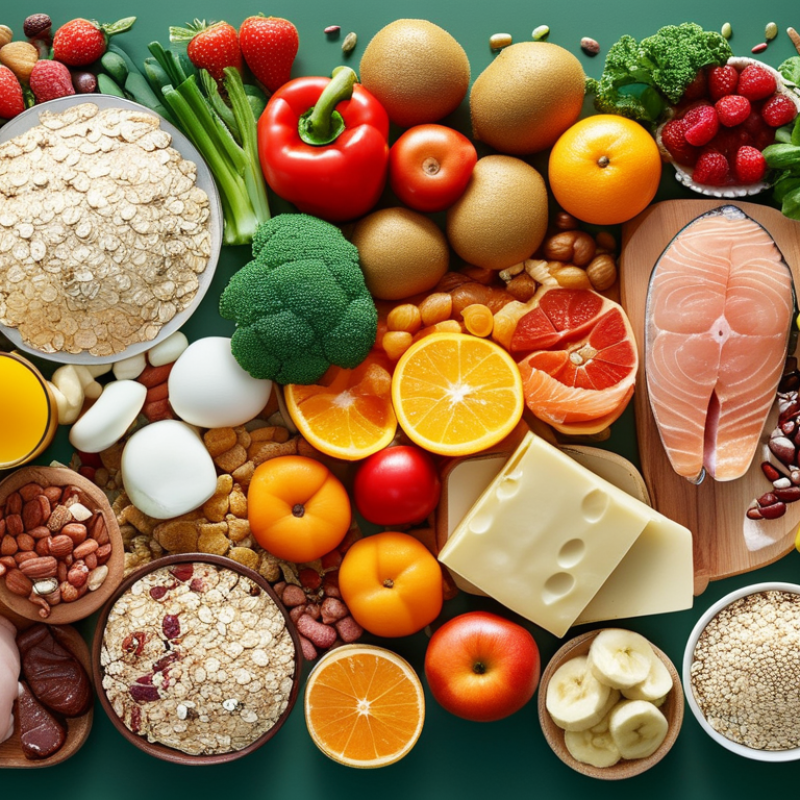
Balanced Nutrition Guidelines for Children in China: An Overview
Balanced nutrition is vital for children's growth and development in China. According to the National Health Commission, nearly 20% of children are affected by malnutrition, especially in rural areas. A diverse diet is critical. This includes grains, fruits, vegetables, proteins, and dairy to ensure a well-rounded intake of essential nutrients.
Data from the China Health Nutrition Survey indicates that only 40% of children consume the recommended servings of vegetables daily. Parents should strive to include a rainbow of foods in their child's diet. Whole grains like brown rice and oats provide necessary fiber. Protein from fish, eggs, and lean meats supports muscle growth. Yet, many children still prefer sugary snacks. It's essential to limit these while incorporating healthier alternatives like nuts and yogurt.
Moreover, hydration plays an overlooked role. Water intake directly impacts concentration and overall health. Some children may not drink enough water, opting for sugary drinks instead. Parents need to encourage regular water breaks during meals and playtime. Balancing nutrition isn't just about food choices; it also requires monitoring portion sizes and encouraging physical activity. The strategies are simple but require commitment and awareness from caregivers for better health outcomes.
Key Nutrients for Children's Growth: Vitamins and Minerals
Childhood is a crucial period for growth and development. Proper nutrition plays a vital role in ensuring children reach their full potential. Key nutrients, particularly vitamins and minerals, are essential for this growth. In China, many children may lack these nutrients due to dietary limitations. It's important for caregivers to focus on providing balanced meals that include a variety of food groups.
Vitamins such as A, C, and D are pivotal for immune function, vision, and bone health. Minerals like calcium and iron support strong bones and healthy blood. Incorporating fruits, vegetables, and whole grains can help meet these needs. However, it’s easy to overlook these nutrients. For instance, a child may reject vegetables or fruits, leading to deficiencies. Finding creative ways to include these foods can be a challenge.
Parents can encourage good eating habits by creating positive mealtime experiences. This can involve cooking together or letting children choose healthy snacks. Educating children about nutrition can also foster better choices in the long run. It’s important to remain flexible and open to change. Over time, families can develop a more balanced diet that meets the nutritional needs of their children.
Impact of Traditional Chinese Diets on Nutritional Balance
Traditional Chinese diets offer a diverse array of nutrients essential for children's growth. These diets often emphasize whole foods, including vegetables, grains, and proteins. Staples like rice and noodles form the base, providing energy. Seasonal vegetables add vitamins and minerals. Proteins from fish, poultry, and legumes enhance development. This variety supports a balanced nutritional intake.
However, modern influences can disrupt this balance. Fast foods are gaining popularity, leading to increased sugar and unhealthy fats. Many families may prioritize convenience over nutrition. This shift poses risks like obesity and nutrient deficiencies among children. Encouraging the use of traditional ingredients can help counteract these trends. Local markets can provide fresh produce, guiding families back to healthier choices.
Understanding age-appropriate portions is vital. Children grow at different rates, needing varied nutrients. Parents should familiarize themselves with these needs. Experimenting with cooking methods can also make traditional dishes more appealing. Overall, maintaining the essence of a traditional Chinese diet may promote better health among children in China.
Top Recommended Products for Children's Nutrition in China
When it comes to children's nutrition in China, many parents seek the best products to support healthy growth. A balanced diet is crucial, as it ensures that children receive essential vitamins and minerals. High-quality protein sources like fish, eggs, and legumes are vital. These provide the building blocks for children's developing bodies.
Many parents might be overwhelmed with choices. It’s crucial to focus on products that offer comprehensive nutrition. Look for options that are fortified with vitamins and minerals. Whole grains like brown rice and oats are excellent for energy. Fruits and vegetables should be colorful to attract kids and provide necessary nutrients. Some parents may struggle to find products that cater to picky eaters. Considering smoothies or blended options can be an effective way to sneak in nutrients.
Reading labels is essential. Parents should pay attention to sugar content and artificial additives. Some products may seem appealing but are unhealthy. It's important to have a critical eye while shopping. Consulting with nutritionists can also provide tailored advice for children's needs. Balancing convenience with nutritional value is challenging, but it’s crucial for fostering healthy habits early on.
Current Statistics on Malnutrition and Obesity in Chinese Youth
Childhood malnutrition and obesity are growing concerns in China. Recent statistics reveal that approximately 20% of children are underweight, while over 15% suffer from obesity. These figures suggest a striking imbalance in children's nutrition. Many children consume insufficient fruits and vegetables, leading to deficiencies. Such poor dietary habits can hinder growth and cognitive development.
Conversely, the rise in processed foods contributes significantly to obesity. Snack foods high in sugar and fats are prevalent in many households. Children often favor these options over healthier choices. This trend warrants serious reflection on family meals and snack times. It is crucial to foster an environment that encourages balanced nutrition. Parents can help by providing more whole foods and reducing access to junk food.
Current food trends show a lack of whole grains and protein sources in many diets. This limited variety can restrict essential nutrient intake. Educating parents about balanced meals is vital. By promoting diverse foods, we can combat the dual challenges of malnutrition and obesity among Chinese youth.
Tips For Balanced Nutrition For Children In China: Current Statistics on Malnutrition and Obesity in Chinese Youth
| Nutritional Concern |
Current Statistic (%) |
Age Group Affected |
Recommended Action |
| Malnutrition |
12.4% |
6-11 years |
Increase dietary intake of proteins and micronutrients. |
| Obesity |
18.5% |
6-17 years |
Encourage physical activity and balanced food choices. |
| Iron Deficiency |
8.3% |
2-5 years |
Include iron-rich foods in daily meals. |
| Calcium Deficiency |
15.7% |
6-18 years |
Encourage dairy consumption and leafy greens. |
Conclusion
The article "Tips For Balanced Nutrition For Children In China Best Products" provides essential guidelines for ensuring children in China receive balanced nutrition. It highlights the significance of key nutrients such as vitamins and minerals that are crucial for children's growth and development. The discussion also delves into the impact of traditional Chinese diets on nutritional balance, emphasizing the importance of integrating local food practices with contemporary nutritional needs.
Furthermore, the article presents current statistics on malnutrition and obesity among Chinese youth, underscoring the urgency of addressing these issues. Parents and caregivers can find effective strategies and recommended products for children's nutrition, aiming to foster healthier eating habits. Overall, these "Tips For Balanced Nutrition For Children" serve as a valuable resource in nurturing the well-being of future generations in China.

 JETZ Foods