In the journey towards healthier eating, home cooking plays a vital role. Renowned nutritionist Dr. Mia Chen emphasizes, “Cooking at home allows us to control ingredients and embrace healthier choices.” This insight guides us on how to implement effective tips for healthier cooking at home. With a focus on fresh, whole foods, we can create meals that nourish both our bodies and minds.
Many struggle with unhealthy cooking habits. Often, convenience takes precedence over nutrition. Small changes can lead to significant improvements. For instance, swapping refined oils for olive oil can make a difference. Incorporating more fruits and vegetables elevates the health quotient of any meal. These actionable tips for healthier cooking at home are both practical and impactful.
Remember, the aim is not perfection but progress. Experiment with flavors and techniques. Allow yourself room for improvement. Embracing healthier cooking is an evolving process. It invites creativity and exploration in the kitchen, ensuring that your culinary journey is as enjoyable as it is nutritious.
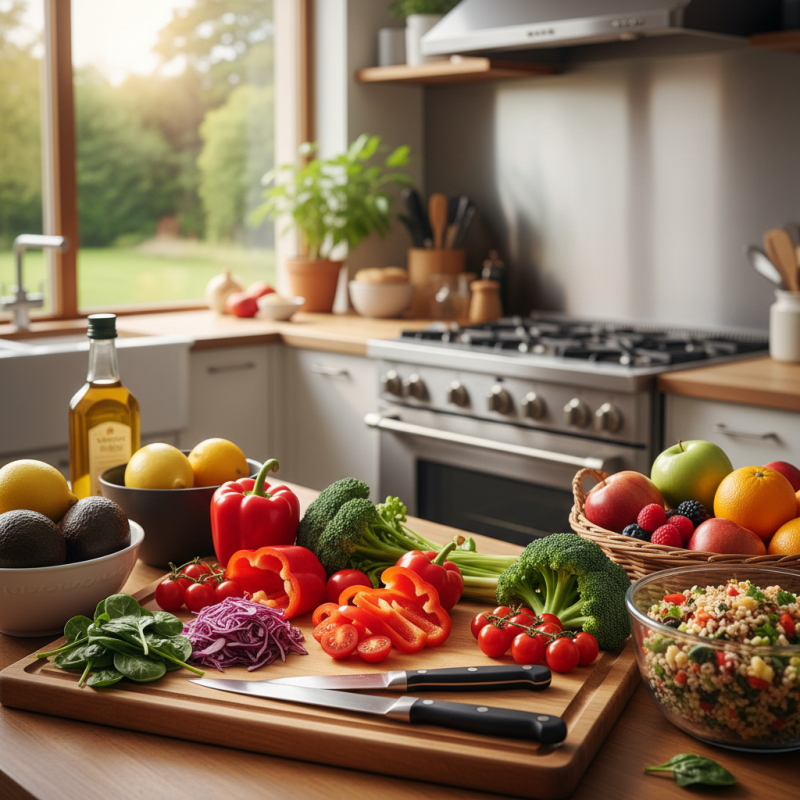
Cooking at home can be a delightful and healthy experience. Understanding healthier cooking methods is essential for nutritious meals. One effective way is to incorporate steaming into your routine. Steaming retains nutrients and enhances the natural flavors of vegetables. It’s simple and can be done quickly. Try steaming broccoli or carrots as they become tender and vibrant.
Another popular method is grilling. It adds a smoky flavor without the need for excessive oil. Grilled chicken or fish can be both satisfying and low in fat. Pair these with whole grains for a well-rounded meal. Don't be afraid to experiment with marinades using herbs and spices. They can elevate your dish without adding extra calories.
For those who enjoy full flavor, consider roasting. Roasting your vegetables brings out their sweetness. Toss sweet potatoes or bell peppers with a touch of olive oil. Use the oven to create a caramelized effect that enhances taste. This method often reminds us that the simple ingredients can shine through in the right preparation. Cooking at home isn’t just about health; it also allows for creativity. Embrace the process and learn from the results. Some meals may not turn out as expected, but each attempt leads to growth.
: Opt for fresh vegetables, whole grains, and lean proteins to ensure balanced meals.
Leafy greens like spinach and kale provide essential vitamins and enhance nutrient intake.
Whole grains, such as quinoa and brown rice, are high in fiber and keep you feeling full longer.
Lean proteins help build and repair tissues. Consider plant-based options for added nutrients.
Fresh herbs and spices improve flavor and offer health benefits. They can replace heavy sauces effectively.
Use avocado or olive oil instead of butter to reduce unhealthy fats in your meals.
Substitute refined sugar with natural sweeteners like honey or maple syrup for healthier options.
Baking or steaming retains nutrients better than frying, keeping more vitamins in your food.
Not every dish will be perfect. Finding the right balance helps improve your cooking over time.
Yes, start with small amounts of potent spices like turmeric to find your preferred flavor balance.
The article "2026 Best Tips For Healthier Cooking At Home You Should Know" emphasizes the importance of adopting healthier cooking methods to enhance both nutrition and flavor in home meals. It begins by exploring various cooking techniques, such as steaming and grilling, that preserve nutrients while minimizing the need for unhealthy fats. Additionally, selecting nutrient-dense ingredients is crucial for creating balanced meals that provide essential vitamins and minerals.
Furthermore, the article highlights the role of herbs and spices not only in adding flavor but also in offering numerous health benefits, making meals more enjoyable without excess calories. Meal preparation and planning are also essential components, encouraging individuals to organize their cooking habits for a healthier lifestyle. Finally, techniques for reducing unhealthy fats and sugars in recipes are discussed, ensuring that home-cooked meals can be both delicious and nutritious. Overall, these Tips For Healthier Cooking At Home serve as a guide to foster better eating habits and improve overall health.

 JETZ Foods