Improving everyday nutrition rarely requires a strict diet or a cupboard full of supplements. How To Improve Daily Nutrition Naturally begins with ordinary choices: adding beans to soup, choosing oats at breakfast, or keeping washed fruit near the kitchen counter. Food writer and professor Michael Pollan offers a memorable principle: “Eat food. Not too much. Mostly plants.” It is a useful prompt, not a complete medical plan or a substitute for individualized advice.
Build meals around vegetables, fruit, whole grains, beans, nuts, and suitable protein sources. Small choices matter. Try adding one vegetable to a familiar dinner before changing everything at once. A glass of water beside your workspace can also make hydration easier to remember. When buying packaged foods, compare labels for sodium, added sugars, and fiber; no single number tells the whole story. No detox required.
Consistency matters more than a perfect-looking plate. A rushed lunch or a missed cooking plan is not a personal failure; it may simply show that the routine needs to be easier. Preparing brown rice or lentils ahead can help, though meal prep does not suit everyone. Nutrition needs vary with health conditions, culture, budget, and life stage. People with medical concerns can seek guidance from a registered dietitian or qualified health professional. The practical question is not whether every meal is ideal, but whether small, realistic changes make nourishing choices easier tomorrow.
Understanding the Foundations of Daily Nutrition
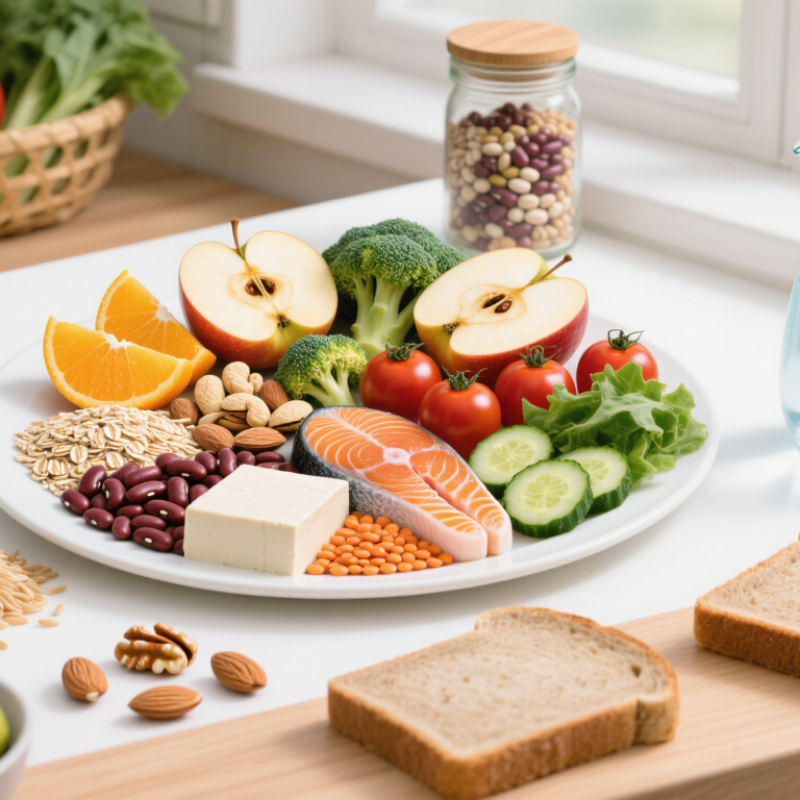
Daily nutrition begins with a pattern, not a perfect meal. A useful plate often includes vegetables or fruit, a protein source, a high-fiber grain or starchy food, and some unsaturated fat. Think of lentils with brown rice, greens, and olive oil, or yogurt with oats, berries, and nuts. These combinations provide energy, protein, fiber, and a range of micronutrients. Portions depend on appetite, activity, age, and health; one fixed ratio will not suit everyone. Small details matter. Water and regular meals can support everyday wellbeing, while sleep may also affect hunger and energy.
Foundations are built across days. Beans, vegetables, fruit, oats, and whole grains provide fiber, while protein foods help maintain and repair body tissues. Calcium, iron, vitamin D, and other nutrients have distinct roles, so variety is more reliable than depending on one “superfood.” Choose foods you enjoy and can afford; frozen vegetables and canned beans can be practical options. I sometimes plan an ideal week and then forget Tuesday exists. Keep it simple. A flexible pantry may help more than strict rules. Notice how meals affect fullness and energy, then adjust gently rather than chasing every trend. People with medical conditions, pregnancy, or restrictive diets may benefit from individualized guidance from a qualified health professional.
Assessing Your Current Eating Habits and Nutritional Needs
Before changing your meals, notice what you already eat and how you feel afterward. For three ordinary days, record meals, snacks, drinks, and approximate portions. Include details such as a rushed breakfast, a second cup of coffee, or vegetables left untouched at dinner. Keep the notes factual, not judgmental. A food log is imperfect, but it can reveal patterns that memory often misses.
Look for gaps across the week. Do meals include vegetables or fruit, whole grains, and a source of protein? Do you regularly go long hours without eating, then feel overly hungry at night? Track energy, appetite, digestion, and sleep too. These observations can suggest useful questions, but they cannot diagnose a deficiency. Needs vary with age, activity, health conditions, pregnancy, and medications. For personal concerns, ask a registered dietitian or healthcare professional to review your situation.
Small patterns matter. If lunch is usually a pastry eaten at a desk, note whether adding yogurt or a piece of fruit feels practical. Avoid treating one unusual day as proof that your diet is poor. The record may also miss portion sizes or forgotten bites. Review it with curiosity, then choose one realistic adjustment to test for a week.
Choosing Whole Foods for a Naturally Nutrient-Rich Diet
A naturally nutrient-rich diet is built from familiar foods, not complicated rules. Think oats, beans, leafy greens, eggs, fruit, nuts, and whole grains. These foods provide a mix of fiber, protein, vitamins, and minerals. A bowl of oatmeal with sliced pear and walnuts, for example, makes a practical breakfast with varied textures and nutrients.
At the market, choose produce in different colors, but do not worry about making every plate perfect. Frozen vegetables can be useful too; they are often picked and frozen soon after harvest. Pairing foods can also help meals feel satisfying: add lentils to soup, spinach to an omelet, or brown rice beside roasted vegetables. Small changes count.
Keep it realistic. A bag of carrots or a pot of beans is more useful than an ambitious plan that goes untouched. I sometimes buy fresh herbs with good intentions and forget them in the fridge. It happens. A flexible routine might include one fruit at breakfast, vegetables at lunch, and a whole grain at dinner. Individual needs differ, so people with allergies or specific health conditions may need tailored guidance from a qualified health professional.
What Is the Best Way to Improve Daily Nutrition Naturally? – Choosing Whole Foods for a Naturally Nutrient-Rich Diet
Build balanced meals around a variety of minimally processed foods. The examples below show how everyday portions can contribute fiber, protein, and essential micronutrients.
Values are approximate and based on standard food entries from USDA FoodData Central. Nutrient content can vary with variety, preparation method, and serving size. For a balanced pattern, combine vegetables and fruit with legumes or other protein sources, whole grains, and appropriate portions of nuts or seeds.
Building Balanced Meals with Variety and Portion Awareness
A balanced meal does not need complicated recipes. Fill about half your plate with vegetables and fruit, then add a protein source and a grain or other starchy food. Rotate colors and textures: roasted carrots, leafy greens, beans, brown rice, or eggs each bring different nutrients and flavors. WHO recommends at least 400 grams of fruits and vegetables daily, excluding starchy roots (WHO, Healthy diet fact sheet, 2020). That target can feel large at first. A piece of fruit at breakfast and vegetables at lunch are practical steps.
Portions depend on appetite, activity, age, and health needs, so treat plate proportions as a guide, not a strict rule. Serve food on a smaller plate if oversized portions are easy to underestimate, and pause before taking more. A palm-sized protein portion or a cupped hand of cooked grains can offer a useful visual reference, though hands vary. Pay attention to hunger and fullness, too. Real meals are messy; mine do not always look balanced.
Tips: Keep frozen vegetables and canned beans on hand for quick meals. Choose options with little added salt when possible. Add one unfamiliar vegetable each week, and notice which combinations you actually enjoy.
Maintaining Healthy Eating Habits Through Simple Daily Choices
Healthy eating is less about a dramatic reset than repeatable choices at breakfast, lunch, and dinner. Keep washed apples beside the kettle, frozen spinach near the stove, and beans ready for quick meals. Small cues matter. The World Health Organization recommends at least 400 grams of fruits and vegetables daily for people over age 10 (WHO, “Healthy Diet,” 2024). An orange with breakfast and carrots at lunch can help make that target more manageable.
A CDC analysis of 2019 survey data found that only 12.3% of U.S. adults met fruit recommendations. Just 10.0% met vegetable recommendations (MMWR, 2022). Those figures are not a reason to chase perfection. Try adding one produce item to a meal you already eat, rather than rebuilding your routine. Toss frozen spinach into soup or add beans to rice; both require little preparation.
Some days, though, the plan slips. Notice what got in the way: no groceries, little time, or food that spoiled. Buying smaller amounts or choosing frozen produce may reduce waste. For packaged soup, compare sodium on the labels; WHO advises adults to consume less than 2,000 milligrams of sodium daily, equivalent to under five grams of salt. A better choice is useful, even when it is not the perfect one.
Daily Nutrition: Simple Food-Group Targets
Use these USDA MyPlate targets for a 2,000-calorie eating pattern as a guide for building balanced daily meals. The units differ by food group, so the bar heights are not directly comparable. Individual needs vary.
Source: USDA MyPlate Plan. Try adding fruits or vegetables to meals and choosing whole grains regularly.
Conclusion
How To Improve Daily Nutrition Naturally begins with understanding that good nutrition is built on a varied, balanced pattern of eating rather than a single perfect meal. Start by noticing your current habits, including what you eat and drink, your routines, and any individual nutritional needs. This awareness can help you identify practical changes without judging yourself or trying to overhaul everything at once.
Choose mostly whole foods, such as vegetables, fruits, whole grains, legumes, and other nourishing options, and combine different foods to bring variety to your meals. Aim for a balance of food groups, paying attention to portions and your own hunger and fullness cues. Small, consistent choices—planning simple meals, keeping nourishing ingredients available, and making thoughtful swaps when convenient—can make healthy eating easier to sustain. Over time, these everyday habits can support a naturally nutrient-rich diet that fits your lifestyle.

 JETZ Foods