How to Choose the Best Baby Food Pouches for Your Child?

Time:2026-03-20 Author:Liam
0%

Choosing the right baby food pouches can feel overwhelming. With so many options, it’s easy to feel lost. These pouches are convenient, offering easy feeding on the go. However, not all pouches are created equal. Some may contain added sugars or preservatives. It's crucial to read labels carefully.

Look for organic options made with whole ingredients. Some pouches offer blends of fruits and vegetables. Others may have added grains for nutrition. Think about your child's taste preferences too. It's a trial and error process.

Consider the packaging practicality as well. Are the pouches easy to open? Will they fit in your diaper bag? Check for BPA-free materials to ensure safety. Do not ignore your child’s reaction to different pouches. Each bite can tell you something important. Finding the best baby food pouches requires patience and mindfulness. It’s not just about convenience; it’s about healthy choices for your little one.
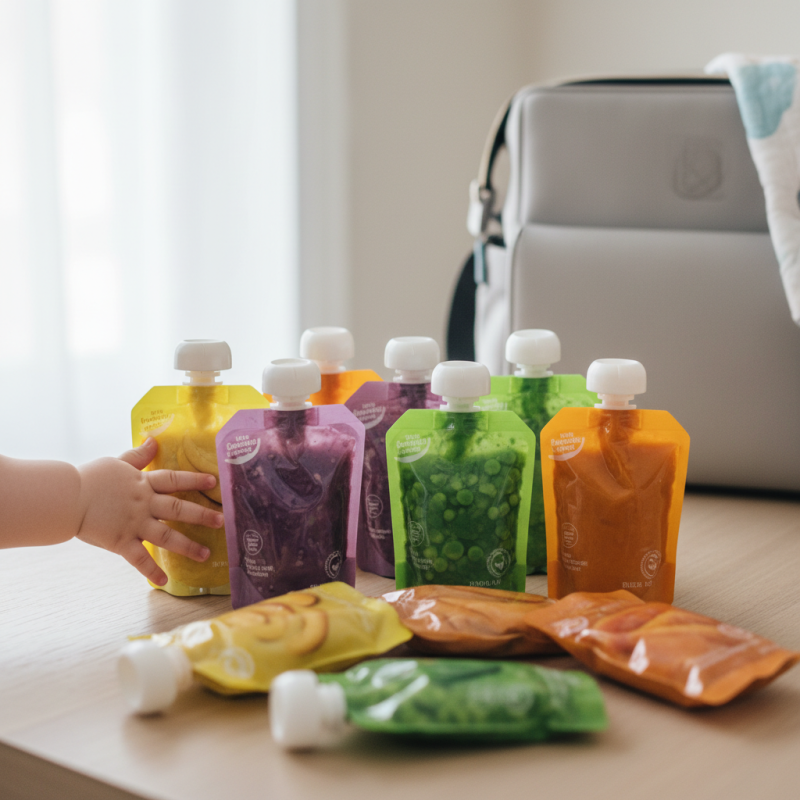
How to Choose the Best Baby Food Pouches for Your Child?

Understanding the Nutritional Needs of Your Child

Choosing the right baby food pouches requires understanding your child's nutritional needs. Infants and toddlers grow rapidly. They need a balanced diet, rich in vitamins and minerals. Protein, healthy fats, and fiber are crucial for development. Many parents overlook the importance of variety in their child’s diet.

Look for pouches that offer a range of fruits and vegetables. For example, a mix of spinach, apple, and pear can provide diverse nutrients. However, some options may be high in sugar. Reading labels can help you avoid this pitfall. A child may love a sweet taste, but it shouldn’t replace wholesome nutrition.

It’s also important to consider allergies. Introducing new foods slowly can help identify any reactions. A pouch might seem convenient, but it can mask the need for whole foods. Reflect on whether your child is getting enough texture and flavor variety. This could impact their acceptance of solid foods later. Make sure to offer fresh, whole options alongside pouches for a healthier balance.

Baby Food Pouch Nutritional Needs Comparison

This chart compares the average nutritional content of different baby food pouches in terms of essential vitamins, minerals, and calories. It highlights the importance of selecting pouches that meet your child's dietary requirements.

Evaluating Ingredients in Baby Food Pouches

When selecting baby food pouches, evaluating ingredients is crucial. Parents should prioritize organic fruits and vegetables. A report from the Clean Label Project found that 60% of baby food products tested had harmful contaminants. This alarming statistic raises questions about the safety of some popular options.

In addition to avoiding harmful chemicals, parents should look for pure ingredients. Many pouches contain added sugars or artificial flavors. According to a study by the American Academy of Pediatrics, excessive sugar in baby food can lead to unhealthy eating habits later. Aim for simple recipes with recognizable ingredients.

Texture and consistency matter, too. Select pouches that offer varied textures as your child develops. Some pouches are too smooth, which may hinder oral development. A diverse range of textures can stimulate a child's sensory experience. Regularly assess the pouch options available. It’s essential to ask whether the ingredient list aligns with your family’s values. This reflection can guide you toward more nutritious choices.

Assessing Packaging and Storage Options

When selecting baby food pouches, packaging and storage options are crucial. Many pouches are designed for convenience, but not all are equal. According to a recent industry report, about 40% of parents prioritize recyclable materials in baby food packaging. Eco-friendly options can reduce waste, but they might not always protect the food effectively.

Storage is another key factor. Many pouches require refrigeration after opening. Parents must consider how their lifestyle impacts storage options. Some pouches claim to have a longer shelf life, but this can be misleading. Studies show that once opened, baby food can spoil within a few days, regardless of packaging claims. Parents should check for signs of spoilage, even if the pouch looks intact.

Moreover, ease of use is a significant element. Pouches that are difficult to open or pour can frustrate caregivers. A report indicated that 30% of parents found certain pouches inefficient due to complicated designs. It’s important to balance convenience with safety. Every detail counts when choosing the right food for your child.

Considering Taste and Variety for Baby's Preferences

When selecting baby food pouches, considering taste and variety is crucial. Babies can be picky eaters. Introducing different flavors early on can help shape their preferences. Many pouches offer fruits, veggies, and mixes. A mix of sweet and savory is ideal. Sweet may attract babies, but savory introduces new tastes.

Tips for parents include trying different textures. Some babies prefer smooth purees while others like thicker options. Experiment with different vegetable combinations. It’s also important to observe reactions. A favorite flavor today may not be tomorrow's choice. Pay attention to signs of enjoyment or aversion. This can guide future selections.

Don't hesitate to mix homemade purees into pouches. Adding your creations can add variety. You might discover some interesting combinations that your baby loves. Reflect on what tastes they gravitate toward. Be mindful that repetitive flavors can lead to disinterest. Keeping a log of what your baby enjoys can be helpful in the long run.

Checking for Allergen Information and Safety Standards

When choosing baby food pouches, allergen information is crucial. Many pouches contain common allergens like nuts, dairy, or soy. Parents should read labels carefully. Spotting these ingredients can prevent allergic reactions. Always check for cross-contamination warnings as well. Allergies can be severe, and food safety is non-negotiable.


Safety standards are equally important. Look for pouches that follow strict guidelines. This ensures the food is safe for babies. However, not all brands adhere to these standards. A brand may promise quality, but a closer look can reveal inconsistencies. Sometimes, companies use vague terms that confuse consumers.


Parents must also consider packaging safety. Pouches should be free from harmful chemicals. Even BPA-free doesn’t guarantee complete safety. It’s wise to research beyond labels. Chatting with other parents can provide insights. Each child is unique, and what works for one may not work for another. Being aware and questioning can lead to better choices.

FAQS

: What should I look for in the ingredients of baby food pouches?

: Prioritize organic fruits and vegetables. Pure ingredients without added sugars are best.

Are there harmful contaminants in baby food pouches?

Yes, about 60% of baby food products tested contain harmful contaminants. Be aware of this.

Why are textures important in baby food?

Varied textures support oral development. Some pouches may be too smooth, hindering sensory experience.

How can I avoid allergens in baby food pouches?

Always read labels for common allergens like nuts or dairy. Check for cross-contamination warnings.

Why is packaging safety a concern?

Packaging can contain harmful chemicals. BPA-free isn’t a guarantee of complete safety.

How can I ensure the safety standards of baby food pouches?

Choose pouches that follow strict safety guidelines. Not all brands meet these standards consistently.

What should I do if a pouch doesn’t align with my family’s values?

Regularly assess options. Reflect on the ingredient list and choose brands that fit your values.

How important is it to talk to other parents about baby food?

Conversations with other parents can provide valuable insights. Each child's needs are unique.

Should I trust all claims made by brands?

Not always. Some companies use vague terms that can be misleading. Research is essential.

How can I promote healthier eating habits in my child?

Aim for simple recipes with recognizable ingredients. This can prevent unhealthy eating patterns later.

Conclusion

When selecting the best baby food pouches for your child, it is essential to understand their nutritional needs, which vary with age and development. Start by evaluating the ingredients in the food pouches, ensuring they contain wholesome, naturally sourced components. Packaging is also crucial; consider options that are easy to store and use, while maintaining the food's freshness and safety.

Furthermore, taste and variety should not be overlooked, as introducing different flavors can encourage healthy eating habits. Lastly, always check for allergen information and ensure that the products meet safety standards to protect your child's health. By taking these factors into account, you can confidently choose baby food pouches that will support your child's growth and preferences.

Liam

Liam

Liam is a dedicated marketing professional with a profound expertise in the industry, where he excels at highlighting the unique advantages of our core products. With a keen understanding of market trends and consumer needs, Liam frequently updates our company’s professional blog, providing......