In today's fast-paced world, many people struggle to maintain proper nutrition. It's easy to overlook key principles that support overall health. Understanding how to avoid common nutrition mistakes is crucial for achieving your wellness goals. This approach can transform the way you feel and function daily.
Often, individuals make simple, yet impactful errors. They might skip breakfast or rely on overly processed foods. Such choices can lead to energy crashes and nutrient deficiencies. Reviewing your eating habits can reveal patterns that hinder progress. Recognizing these issues is the first step toward better nutrition.
The journey to improved health is not always straightforward. Perfection is not the goal. Reflecting on your choices can lead to positive changes over time. Small adjustments can create significant results. Embracing a mindful approach to eating improves your connection with food and encourages integrity in your nutrition journey.
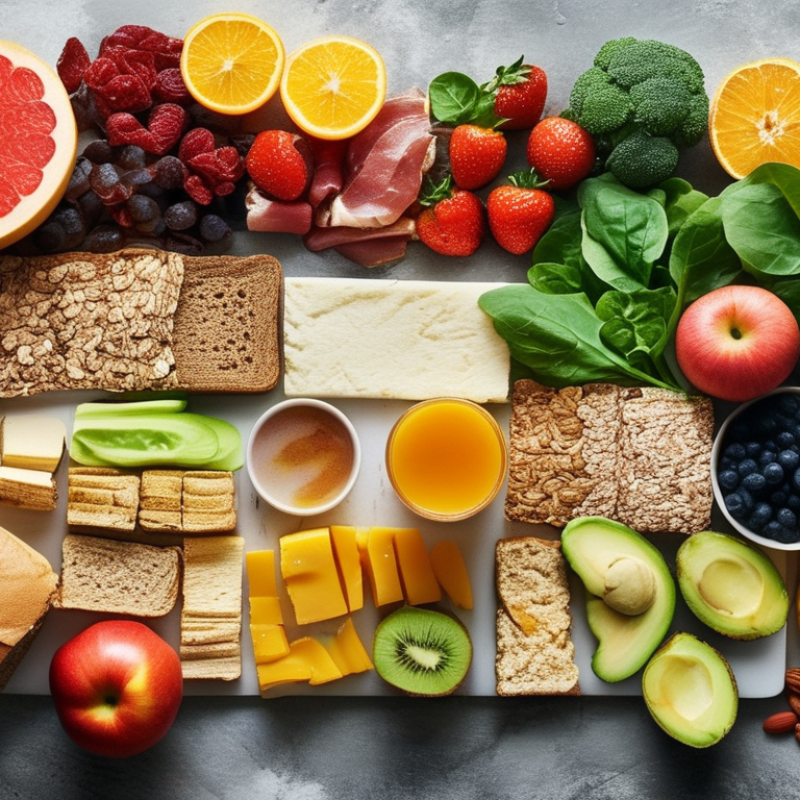
Many people overlook the importance of a balanced diet. One common mistake is skipping meals. This often leads to overeating later. When we delay eating, our bodies react by craving unhealthy foods.
Another frequent error is relying heavily on processed foods. They are convenient but often lack vital nutrients. Fresh fruits and vegetables provide essential vitamins and minerals. Choosing whole foods can make a significant difference in overall health. It requires effort, but the benefits are worth it.
Hydration is overlooked too. Many people don’t drink enough water daily. They mistake thirst for hunger, leading to unnecessary snacking. Small changes can improve hydration. Carry a water bottle and sip throughout the day. Recognizing these missteps is the first step toward better nutrition.
: Skipping meals leads to overeating later and increases cravings for unhealthy foods.
Processed foods often lack vital nutrients. Fresh fruits and vegetables provide essential vitamins and minerals.
People often mistake thirst for hunger. This leads to unnecessary snacking. Carrying a water bottle helps improve hydration.
Proteins support muscle repair and growth. Lean sources like chicken and legumes are recommended.
Not all carbs are equal. Whole grains and fruits are better than refined sugars, which provide little nutritional value.
Fats help with nutrient absorption and hormone production. Healthy sources include avocados and nuts, but be mindful of calories.
Portion control helps manage calorie intake and prevents overeating. Small changes can lead to better health outcomes.
Use smaller dishes and measure serving sizes. Your hand can guide portioning; a fist for veggies, a palm for protein.
It raises awareness of your eating habits. You may be surprised by how much you consume without realizing it.
Whole foods are nutrient-dense and help you feel fuller longer. They are beneficial for managing portion sizes and calorie intake.
In "Avoid Common Nutrition Mistakes for Better Health Today," the article emphasizes the importance of recognizing daily nutritional errors that can impede health. It highlights key areas such as understanding nutritional labels, which guide consumers in making informed choices about what to eat. Additionally, the article explains the significance of balancing macronutrients—proteins, carbohydrates, and fats—to ensure a well-rounded diet.
Another crucial aspect discussed is portion control, which plays a vital role in maintaining a healthy weight and overall wellness. Furthermore, the article advocates for incorporating variety into one’s diet, stressing that diverse meals not only enhance taste but also provide essential nutrients. By addressing these points, the article offers practical advice on how to avoid common nutrition mistakes, ultimately fostering better health outcomes.

 JETZ Foods