In today's fast-paced urban environment, maintaining healthy eating habits can be a challenge. Renowned nutritionist Dr. John Smith emphasizes, "Urban living complicates nutrition, yet smart choices can transform your health." This sentiment resonates with many city dwellers struggling to balance convenience and wellness.
Healthy options are often overshadowed by fast food and processed snacks. The busy lifestyle leads people to make hasty dietary choices. A recent survey revealed that 70% of urbanites skip meals or opt for unhealthy snacks. This statistic highlights the need for sustainable eating practices, especially in bustling metropolitan areas.
Understanding how to maintain healthy eating in urban life requires dedication and creativity. Simple strategies can help, like meal prepping during weekends or exploring local farmers’ markets. These practices not only nourish the body but also foster a connection to the community. Urban living does pose hurdles, but reflecting on our choices can enhance our overall wellness. In this journey, the goal is to embrace balance and intentionality in our dietary habits.
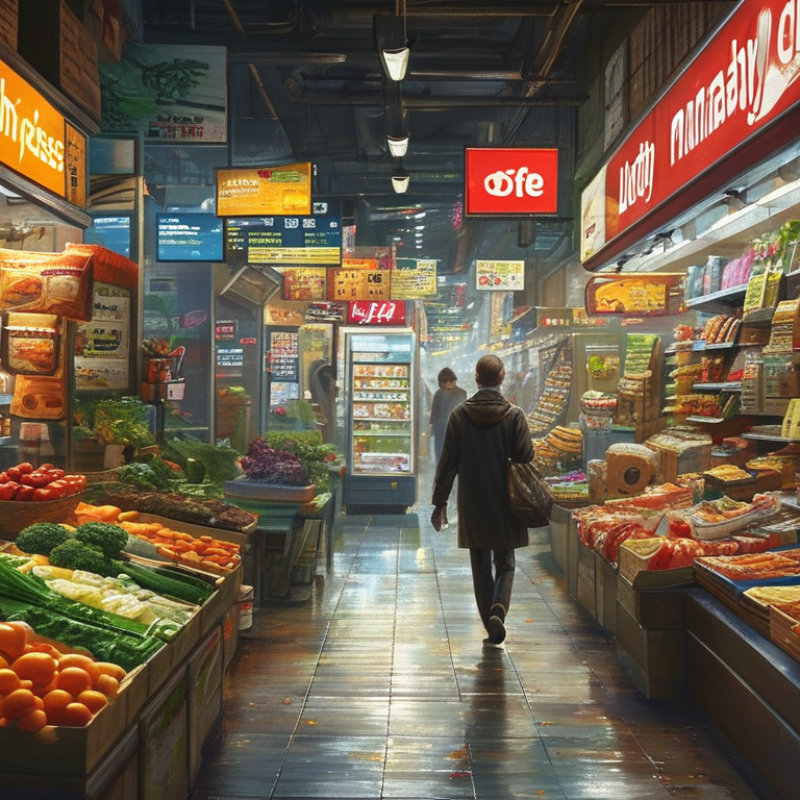
Urban living presents unique challenges for maintaining healthy eating habits. Many cities lack access to fresh produce, impacting nutrition. A study by the United States Department of Agriculture revealed that nearly 23.5 million people live in food deserts, where healthy options are scarce. This drives a reliance on convenience foods, often high in sugar and fat.
The fast pace of city life adds to these difficulties. Busy schedules make cooking at home less feasible. A report from the National Institutes of Health found that urban residents are more likely to skip meals or eat out, leading to poorer dietary choices. This trend is concerning. Many are not aware of the hidden calories in processed foods.
Environment plays a crucial role in shaping dietary habits. Urban areas often have a plethora of fast food outlets, yet fewer grocery stores with fresh produce. This imbalance influences food choices. Some urban dwellers may need to rethink their shopping habits, seeking farmers' markets or community-supported agriculture programs instead. Despite the challenges, small changes can lead to better health outcomes over time.
| Challenge | Description | Potential Solutions |
|---|---|---|
| Limited Access to Fresh Produce | Urban areas may have reduced access to supermarkets or farmers' markets with fresh fruits and vegetables. | Promote local farmers' markets, community gardens, and subscription boxes for fresh produce. |
| High Convenience Food Availability | Fast food and convenience stores often offer quick but unhealthy meal options. | Increase awareness of meal prep, and provide easy recipes using healthy ingredients. |
| Time Constraints | Busy lifestyles may result in prioritizing convenience over nutrition. | Encourage batch cooking and planning meals in advance to save time. |
| Social Pressure & Influences | Social gatherings or cultural norms may promote unhealthy eating behaviors. | Creating a supportive community focused on healthy eating habits can help combat this. |
| Cost of Healthy Foods | Healthier food options can sometimes be more expensive than processed foods. | Advocate for subsidies on healthy food and educate on cost-effective healthy eating. |
: Urban areas often lack fresh produce, leading to reliance on convenience foods that are unhealthy.
Nearly 23.5 million people live in areas where healthy food options are scarce.
Busy lifestyles often lead to meal skipping and increased eating out, which impact nutrition negatively.
Seeking out farmers' markets and community-supported agriculture can provide access to fresh foods.
Community gardens allow residents to grow their own vegetables and improve access to fresh produce.
Taking the stairs instead of an elevator is an effective way to increase physical activity.
Adults should aim for at least 150 minutes of moderate-intensity exercise per week.
Yes, even small changes can lead to better health outcomes over time in urban settings.
Yes, it’s important to reflect and find a balance between activity and nutrition without seeking perfection.
Experimenting with local artisan products at farmers' markets can enhance meal variety and nutrition.
In modern urban living, maintaining a healthy diet presents unique challenges due to busy lifestyles and easy access to processed foods. Understanding these challenges is crucial for urban dwellers, who must navigate their nutritional needs and preferences amidst the hustle and bustle of city life. To address these obstacles, strategic meal planning and preparation are essential. This includes setting aside time for cooking and choosing simple, nutritious recipes that fit a fast-paced schedule.
Additionally, exploring local and seasonal food options can enhance the quality of one’s diet while supporting local economies. Incorporating physical activity into daily routines further complements healthy eating habits. Ultimately, learning **how to maintain healthy eating in urban life** involves a proactive approach to nutrition and wellness, ensuring that urban residents can thrive in both their culinary choices and overall lifestyle.

 JETZ Foods