Achieving a balanced diet is essential for optimal health. Many people struggle with dietary choices that align with their health goals. This article provides practical "Tips For Improving Overall Dietary Balance." These tips will empower individuals to make informed decisions about their eating habits.
Making small changes can have a significant impact. For instance, increasing vegetable intake can enhance nutritional quality. However, many find it challenging to incorporate diverse foods regularly. It's crucial to understand that balance doesn't mean perfection. Allowing yourself the occasional treat can keep dietary restrictions from becoming overwhelming.
Ultimately, the journey to a more balanced diet is personal. Individuals must reflect on their unique needs and preferences. Cultivating awareness about food choices will lead to lasting change. The provided tips aim to support this quest for better health while acknowledging the complexities of dietary habits.
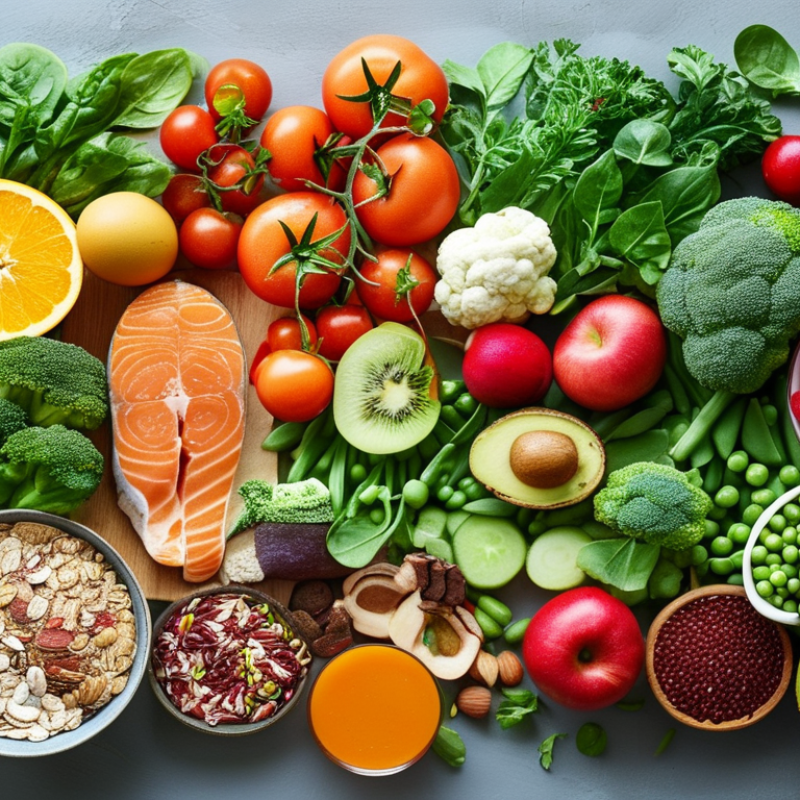
Understanding Dietary Balance and Its Importance for Health
Understanding dietary balance is essential for maintaining good health. Our bodies require a variety of nutrients to function optimally. A balanced diet includes proteins, carbohydrates, fats, vitamins, and minerals. Each nutrient serves a unique purpose. For example, proteins are vital for muscle repair, while carbs provide energy. Understanding these roles can guide better food choices.
Many people struggle with dietary balance. They might favor fast foods or snacks over nutritious meals. This can lead to deficiencies and health issues. It’s important to recognize these patterns. Awareness is the first step towards change. Incorporating whole foods like fruits, vegetables, and whole grains is a practical approach. Notice how your body feels after different meals. This reflection can foster healthier habits.
Balancing your diet isn't always an easy task. There are temptations everywhere. Social gatherings and busy schedules can disrupt healthy eating. Still, small adjustments can make a difference. Try planning meals ahead of time. Experiment with new recipes to keep things interesting. Remember, progress takes time, and perfection is not the goal. Each positive change contributes to overall well-being.
Key Nutrients for Achieving a Balanced Diet
A balanced diet is essential for maintaining good health. Incorporating key nutrients plays a crucial role in achieving this balance. Vitamins and minerals are the backbone of our diets. They support various bodily functions, from bone health to immune response.
Fruits and vegetables should make up a large portion of your meals. They are rich in vitamins A, C, and K. Leafy greens like spinach and kale are particularly beneficial. They offer high levels of iron and calcium, key for energy and bone strength. Whole grains also deserve attention. They provide fiber, which aids in digestion and helps maintain steady blood sugar levels.
However, many struggle with balancing their plates. It's easy to overlook protein sources. Lean meats, fish, and legumes are excellent for muscle repair. Yet, some find them hard to incorporate regularly. Understanding portion sizes can also be a challenge. Mindful eating can help identify areas for improvement. Reflecting on food choices encourages better habits over time. Adjust your diet gradually, focusing on small changes that lead to sustainable results.
Key Nutrients for Achieving a Balanced Diet
Practical Tips for Meal Planning and Portion Control
Meal planning is essential for achieving a balanced diet. Start by assessing your current eating habits. Identify areas for improvement. Perhaps you often skip breakfast or rely on takeout for dinner. These patterns can lead to nutritional imbalances.
When planning meals, think about variety. Include different food groups. Aim for colorful plates filled with vegetables, fruits, whole grains, and lean proteins. Portion control is crucial. Use smaller plates to help regulate serving sizes. This simple trick can prevent overeating and help you better manage calorie intake.
Finally, keep a food diary. Document your meals and feelings. This practice can reveal triggers that lead to unhealthy choices. Reflecting on your eating habits fosters mindfulness. Achieving a balanced diet is a gradual process, requiring patience and adjustments along the way. Recognize that perfection is not necessary; small changes can lead to lasting results.
Tips for Improving Dietary Balance for Better Health
| Food Group |
Recommended Servings |
Examples |
Portion Control Tips |
| Fruits |
2 cups |
Apples, Bananas, Berries |
Use a small bowl for servings |
| Vegetables |
2.5 cups |
Spinach, Carrots, Broccoli |
Fill half your plate with veggies |
| Grains |
6 ounces |
Brown Rice, Quinoa, Whole Wheat Bread |
Choose whole grains for higher fiber |
| Protein |
5.5 ounces |
Chicken, Beans, Tofu |
Use palm-size for meat portions |
| Dairy |
3 cups |
Milk, Yogurt, Cheese |
1 cup of milk = 1 serving |
| Fats and Oils |
Limit to 5-7 teaspoons |
Olive Oil, Avocado, Nuts |
Measure out oils to avoid overuse |
Incorporating Variety: Fruits, Vegetables, and Whole Grains
Incorporating a range of fruits, vegetables, and whole grains into your diet can significantly enhance nutritional balance. Aim for colorful plates. Different colors typically represent various nutrients. For example, leafy greens like spinach are rich in iron, while bright bell peppers provide vitamin C. Whole grains such as quinoa, brown rice, and oats are excellent for fiber, contributing to better digestion and sustained energy.
One key to achieving dietary variety is planning meals around seasonal produce. Visit local markets to discover fresh options. Seasonal fruits and vegetables often taste better and can be more economical. Try to include at least two types of vegetables in your meals. This diversity not only introduces different flavors but also increases the variety of essential vitamins and minerals you consume.
Don’t overlook the role of small changes. Swap white rice for farro or incorporate lentils into soups. Focus on gradual adjustments that make a big difference. Listen to your body and notice how it responds to new foods. You may find that some combinations work better for you than others, which is essential for fostering long-term healthy eating habits. Embrace the journey of discovering what nourishes you best.
Mindful Eating: Enhancing Nutrition and Enjoyment in Meals
Mindful eating is about more than just food; it’s a practice that encourages awareness and appreciation during meals. When we eat mindfully, we focus on the flavors, textures, and aromas of our food. This connection enhances our enjoyment. A simple way to start is by eliminating distractions. Turn off the television, put away your phone, and sit down at the table. Engage your senses fully. Notice the colors on your plate. Let each bite linger before swallowing.
Chewing slowly is another crucial part of mindful eating. It allows the body to signal when it’s full, helping to prevent overeating. Many rush through meals, leading to discomfort and regret. A small plate can encourage portion control. Eating slowly also creates space for reflection. Ask yourself how the food makes you feel. Does it energize you? Does it comfort you? Recognizing these feelings can improve your food choices and overall satisfaction.
Practicing mindful eating isn’t always easy. Some habits run deep, leading us away from this approach. There might be days when distractions creep back in. It’s natural to struggle. Acknowledge those moments without judgment. They offer opportunities for growth. Learning to enjoy meals mindfully takes time and patience. Each meal is a chance to refine this practice, enhancing both nutrition and enjoyment.
FAQS
: A varied diet enhances nutritional balance and provides essential vitamins and minerals.
Visit local markets to find fresh seasonal fruits and vegetables. They often taste better and are usually cheaper.
Different colors typically indicate various nutrients. Aim for a colorful plate to boost your nutrient intake.
Swap white rice for farro or add lentils to your soups. These adjustments can significantly improve your nutrition.
Mindful eating focuses on awareness and appreciation of food. Engage your senses to enhance enjoyment during meals.
Eliminate distractions, chew slowly, and notice food flavors. These steps can prevent overeating and increase satisfaction.
No, maintaining mindful habits can be challenging. Distractions may arise, and that’s a normal part of the process.
Acknowledge distractions without judgment. Reflect on your experiences; they can provide chances for growth and improvement.
Notice how different foods make you feel. Reflecting on your energy and comfort after meals is crucial for good choices.
Using a smaller plate encourages portion control, helping you eat slower and recognize when you are full.
Conclusion
To achieve better health, understanding dietary balance is crucial. This involves recognizing the significance of key nutrients that contribute to a well-rounded diet, such as proteins, fats, carbohydrates, vitamins, and minerals. Tips for improving overall dietary balance include practical meal planning and portion control, which help ensure that meals are nutritious and appropriate in size. Incorporating a variety of food groups, especially fruits, vegetables, and whole grains, is essential in providing the body with diverse nutrients necessary for optimal functioning.
Moreover, practicing mindful eating can enhance both nutrition and the enjoyment of meals. By paying attention to hunger cues and savoring each bite, individuals can develop a healthier relationship with food. Adopting these strategies leads to a more balanced diet, improving overall well-being and supporting long-term health goals.

 JETZ Foods