How to Incorporate High Protein Foods into Your Diet?

Time:2026-03-13 Author:Aria
0%

High Protein Foods play a significant role in supporting overall health and fitness. Research shows that protein can help in weight management and muscle preservation. According to the International Journal of Obesity, protein intake can reduce hunger and aid in weight loss. Many people struggle to include enough protein in their diets, leading to deficiencies. This issue is especially concerning in populations that rely heavily on carbohydrates.

Incorporating High Protein Foods is crucial for those looking to achieve optimal health. The USDA suggests that adults should aim for 46-56 grams of protein daily. This amount can vary based on age, sex, and activity level. Yet, many individuals fall short of this target. It can be challenging to find convenient, high-quality protein sources. Furthermore, there exists a misconception that protein-rich foods are only animal-based, neglecting many plant options.

To bridge this gap, meal planning and preparation are essential. Busy lifestyles often lead to quick, low-protein choices. Planning ahead can help ensure access to High Protein Foods, such as legumes, nuts, and lean meats. However, even the most diligent effort can fall short at times. Reflection on one's dietary habits can reveal surprising gaps and opportunities for improvement.
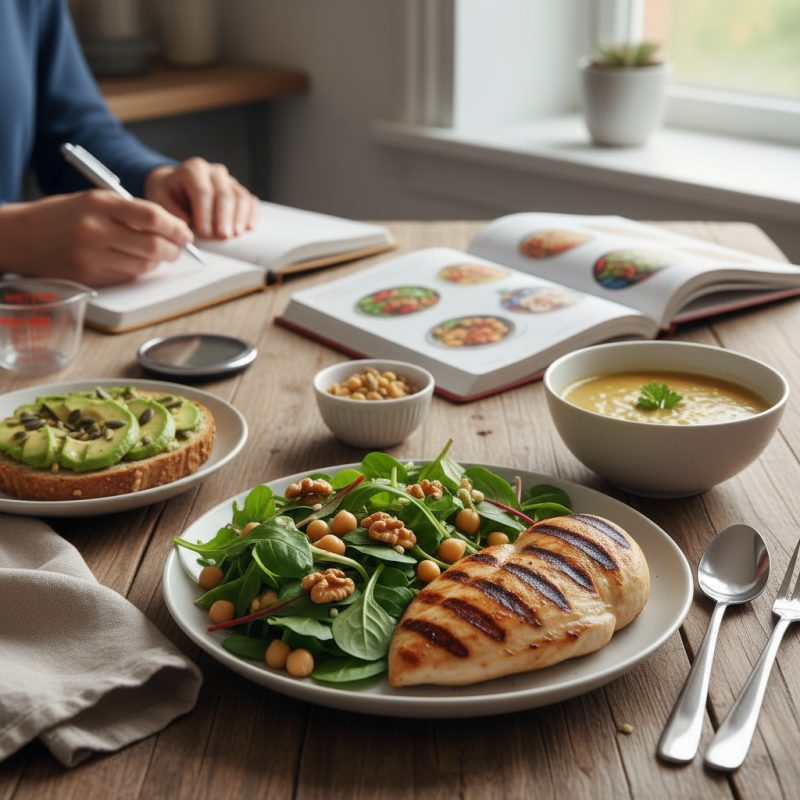
How to Incorporate High Protein Foods into Your Diet?

Understanding the Importance of High Protein Foods in Your Diet

High protein foods play a crucial role in our diet. They are essential for muscle repair and growth. Proteins are the building blocks of tissues. Including them can boost metabolism and keep you full longer. This can help in managing your weight. A diet rich in protein can support overall health.

Tip: Start your day with eggs. They are versatile and packed with protein. You can scramble, boil, or make an omelet. This simple addition can make a difference. If you struggle with breakfast ideas, keep it easy. A protein shake could also work. Just blend some protein powder with fruits and water.

Consider incorporating snacks with protein too. Greek yogurt is a great option. It's creamy and satisfying. Alternatively, nuts can provide a crunchy snack. They are high in protein and healthy fats. However, be mindful of portions. It’s easy to overeat nuts and then regret it later. Finding the right balance is key.

How to Incorporate High Protein Foods into Your Diet? - Understanding the Importance of High Protein Foods in Your Diet

Food Item Protein Content (g per 100g) Serving Suggestions Health Benefits
Chicken Breast 32 Grilled, in salads, or wraps Lean source of protein, aids muscle growth
Greek Yogurt 10 Breakfast bowl or smoothies Good for gut health and muscle recovery
Lentils 9 Soups, salads, or veggie burgers High in fiber, helps with digestion
Tofu 8 Stir-fry, salads, or smoothies Plant-based protein, rich in iron
Quinoa 4 As a side dish or in salads Complete protein, gluten-free

Identifying High Protein Foods: Animal vs. Plant Sources

When it comes to protein sources, there are two main categories: animal and plant. Animal sources like chicken, fish, and dairy are rich in protein and often contain all essential amino acids. For example, a serving of grilled chicken has about 30 grams of protein. Eggs are another excellent choice, with one large egg offering around 6 grams. However, relying solely on animal protein can raise ethical concerns and environmental issues.

Plant-based proteins include beans, lentils, quinoa, and nuts. These options are not only nutritious but also beneficial for heart health. A cup of cooked lentils provides around 18 grams of protein. However, plant proteins may lack one or more essential amino acids. Combining different sources can help balance this. For instance, pairing rice with beans creates a complete protein.

Many people struggle to find the right balance. Sometimes it's hard to consume enough variety. Busy schedules make it easy to overlook healthier options. Meal prepping or keeping healthy snacks on hand can be a challenge too. Embracing both animal and plant sources might lead to a more balanced diet. It's all about finding what works best for you while considering your dietary preferences.

How to Incorporate High Protein Foods into Your Diet

This chart compares the protein content in various high protein foods, categorized as animal and plant sources. Incorporating these foods into your diet can help meet your daily protein needs.

Creative Ways to Add Protein to Breakfast, Lunch, and Dinner

Start your day with a protein-packed breakfast. Eggs are an excellent choice. You can scramble, boil, or make an omelet. Adding vegetables like spinach or peppers can enhance both flavor and nutrition. Greek yogurt, rich in protein, can be topped with fruits or nuts. This combination not only tastes great but also keeps you full longer. A smoothie with protein powder or silken tofu can be quick and satisfying.

For lunch and dinner, think outside the box. Quinoa is a nutty grain high in protein. Use it in salads or as a side dish. Lentils are another versatile option. They can be added to soups or made into patties. Try roasted chickpeas for a crunchy snack. Don’t forget the ever-popular chicken or fish. Grilling or baking them can help maintain their protein content while adding a delicious flavor.

Experimenting with these options can be fulfilling yet challenging. Sometimes, you might overlook the balance in a meal. It’s easy to focus too much on protein and forget about vegetables. Aim for variety to keep meals interesting. Need to improve? Consider planning ahead. It can make incorporating protein easier.

Incorporating Protein Snacks into Your Daily Routine

Incorporating protein snacks into your daily routine can be a game changer. A recent study showed that high-protein diets can help with weight management and muscle retention. Many people struggle to reach their protein goals. Snacking on foods rich in protein can help bridge that gap.

For instance, consider Greek yogurt. It's packed with protein and easy to grab. A typical serving contains about 15 grams. Pair it with fruits or nuts for a balanced snack. Alternatively, hard-boiled eggs are portable and provide about 6 grams of protein each. They require minimal prep time but can be overlooked.

Snack options are plentiful, yet many miss out. Jerky or protein bars are also great choices. Reports suggest that protein snacks can reduce overall hunger, potentially leading to fewer calorie intakes at meals. However, it’s important to read labels carefully. Some snacks can be deceiving. Watch out for hidden sugars and fillers. Finding the right balance takes time but exploring new protein sources can make the journey enjoyable.

Tips for Balancing Protein Intake with Other Nutrients

Incorporating high protein foods in your diet can greatly benefit your overall health. However, it’s crucial to balance protein intake with other essential nutrients. A common mistake is focusing only on protein sources while neglecting carbohydrates and fats. For example, a meal consisting solely of grilled chicken may provide protein but lacks fiber and healthy fats. Adding colorful vegetables and whole grains can create a more balanced plate.

Consider different cooking methods to enhance your meals. Roasting, grilling, or steaming can preserve the nutrients in vegetables. Pairing protein with carbs helps with digestion and energy levels. For instance, a quinoa salad with chickpeas and spinach provides protein along with complex carbs and iron. Be mindful of portion sizes too. Meal prepping can ensure you have balanced meals ready, but be cautious of overloading on protein-rich foods. Variety is key to meet nutritional needs.

Experiment with snacks as well. Greek yogurt with berries or hummus with whole-grain crackers offers balanced nutrition. Don’t forget about hydration. Sometimes, you may mistake thirst for hunger. Reflect on your eating habits and ask yourself if you’re truly hungry or just bored. This awareness can help maintain a healthier diet while enjoying the benefits of protein.

FAQS

: How can protein snacks benefit my daily routine?

: Protein snacks can assist with weight management and muscle retention. They help meet daily protein goals.

What are some easy protein snack options?

Greek yogurt and hard-boiled eggs are portable and high in protein. They're simple to prepare.

Why is it important to balance protein with other nutrients?

Focusing only on protein can lead to neglecting carbs and fats, which are essential for health.

What should I be cautious about when choosing protein snacks?

Watch for hidden sugars and fillers in snacks. Some protein bars may mislead you.

How can I create balanced meals with protein?

Pair protein with colorful vegetables and whole grains for better nutrition. Variety enhances health.

What cooking methods can preserve nutrients in meals?

Roasting, grilling, or steaming vegetables can keep their nutrients intact while enhancing flavor.

How can I avoid overeating protein-rich foods?

Be mindful of portion sizes and reflect on your hunger cues. Are you really hungry or bored?

What role does hydration play in snacking?

Staying hydrated helps clarify if you're hungry. Sometimes thirst signals can be confused with hunger.

Can snacking reduce my overall calorie intake?

Yes, protein snacks may decrease hunger, leading to smaller meal portions and lower calorie intake.

Why might I struggle to incorporate protein snacks?

Many people overlook available options like jerky or protein bars. Finding the right ones can take time.

Conclusion

High protein foods play a crucial role in maintaining a balanced diet, supporting muscle growth, and promoting overall health. Understanding the difference between animal and plant sources of protein can help individuals make informed dietary choices. High protein foods can be seamlessly incorporated into every meal, from eggs and Greek yogurt at breakfast to lean meats and legumes at lunch and dinner.

In addition to main meals, adding protein-rich snacks like nuts, seeds, or protein bars can enhance daily intake. It's essential to balance protein consumption with other nutrients to ensure a well-rounded diet. By creatively integrating high protein foods throughout the day, individuals can benefit from the positive effects on satiety, energy levels, and physical performance.

Aria

Aria

Aria is a dedicated marketing professional with a deep passion for innovative strategies and a keen understanding of our company's product offerings. With a wealth of experience in the industry, Aria excels at crafting engaging content that highlights the unique features and benefits of our......