Grocery shopping can be a challenge, especially when trying to stick to a budget. Many people struggle with rising food prices and overwhelming choices. However, learning the right strategies can make a significant difference. Here are some **Tips for Smart Grocery Shopping** that can help you save money while filling your cart.
Understanding what to look for is essential. Many shoppers often overlook store sales and coupons. Planning meals ahead can help avoid impulse buys. Keep an eye on your pantry and fridge to prevent waste. Remember, it’s not just about saving money; it’s about making informed choices that benefit your health and finances.
Shopping is not always as straightforward as it seems. Sometimes, the best deals are hidden, and products are marked up by brand names. Reflecting on your purchases can lead to better decisions. With thoughtful planning, anyone can navigate the grocery store confidently while staying within a budget.
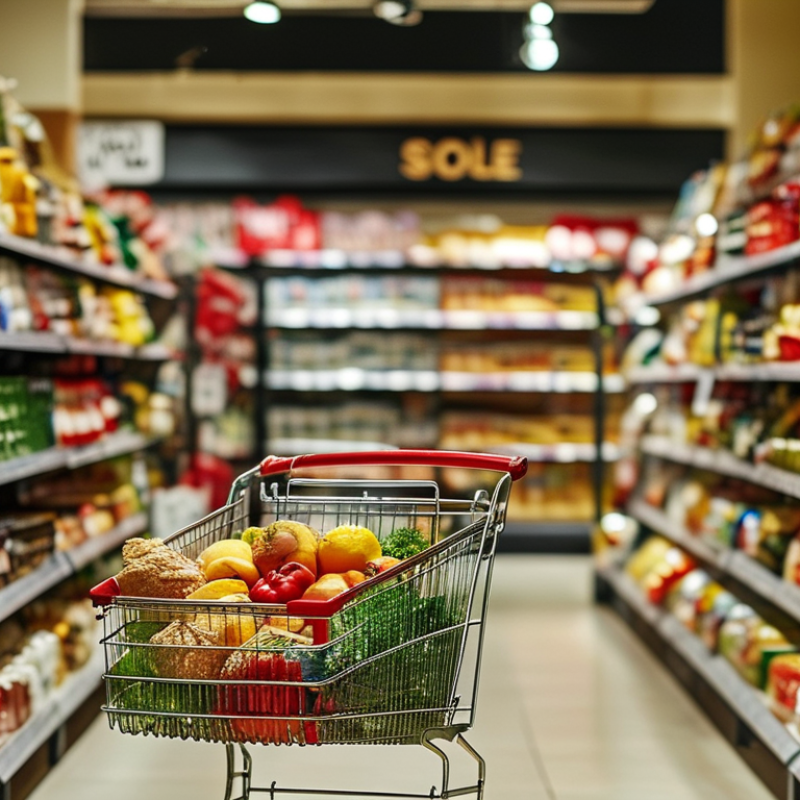
Understanding your grocery budget is essential for smart shopping. Start by assessing your monthly income and fixed expenses. Allocate a specific amount for groceries. This helps you avoid overspending. Track your expenses to see where your money goes. Use a simple app or a notebook. This transparency clarifies what you can buy.
Consider your actual needs versus wants. Make a list before shopping. Focus on essentials like fruits, vegetables, and proteins. This minimizes impulse buys. However, cravings may still lead you astray. It's okay to indulge occasionally but stay mindful. Sometimes, a quick snack may seem harmless. Reflect on whether it was necessary.
Review your grocery habits regularly. Do you often buy items that go to waste? Ask yourself if bulk purchases truly save money. Not every bulk deal is a good deal. Honest reflection can improve your budget skills. Small changes can lead to big savings. A fit budget allows for more flexibility in your overall spending.
Creating a comprehensive shopping list is a key step in smart grocery shopping. A well-planned list can help avoid impulse purchases. Begin by checking your pantry and fridge. Identify items you already have. This prevents buying duplicates.
When you plan meals for the week, focus on versatile ingredients. For example, chicken can be used in salads, stir-fries, and soups. Include fruits and vegetables that can serve multiple purposes. Think about snacks, breakfast, and dinner options.
While it's easy to get distracted in-store, staying true to your list is crucial. Limit your time in the aisles to reduce temptation. Consider using an app to keep your list handy. Reflect on past shopping experiences—did you often return with unnecessary items? By refining your approach, you can ensure that your grocery shopping aligns with your budget and nutritional needs.
Grocery shopping on a budget requires smart strategies. A recent study found that about 70% of consumers struggle to maintain a budget while shopping. This highlights the need for effective planning. One common mistake is shopping without a list. This can lead to impulse purchases and overspending. Creating a detailed shopping list helps keep expenses in check.
Another effective strategy is to embrace bulk buying. According to industry reports, buying in bulk can save up to 25% on staple items. However, it's essential to evaluate if you'll use all the items before purchasing. Not using bulk items can lead to waste, which defeats the purpose of saving money. Seasonal shopping also offers financial benefits. Fresh produce is often cheaper when in season, and buying what’s in season can help reduce costs without sacrificing quality.
Additionally, relying on flyers and apps can reveal discounts. Many shoppers find they can save an average of 15% by using these tools. But be cautious. It’s easy to get distracted by sales on items you don’t need. Reflect on your purchases. Are they necessary? Smart grocery shopping is about balancing savings and utility effectively.
| Strategy | Description | Estimated Savings |
|---|---|---|
| Meal Planning | Create a weekly menu to avoid impulse buys and waste. | 20% off total bill |
| Shopping List | Make a grocery list based on your meal plan and stick to it. | 15% off total bill |
| Buy in Bulk | Purchase non-perishable items in larger quantities to save money. | 10% on bulk items |
| Use Coupons | Take advantage of manufacturer and store coupons for discounts. | Up to 30% off select items |
| Shop Seasonal | Buy fruits and vegetables that are in season for lower prices. | 25% savings |
| Store Brands | Opt for store-brand products instead of name brands for better prices. | 15% savings |
| Online Shopping | Use online grocery services to compare prices and find deals. | Up to 10% savings |
Managing grocery shopping on a budget can be quite the challenge. One of the most effective ways to save money is by utilizing coupons and discounts strategically. Start by collecting coupons from various sources. Check your local newspapers, online platforms, and even store apps. Every little bit helps to reduce costs. Look for those rare but valuable coupons that offer significant savings. They do exist!
When using coupons, prioritize items you already plan to buy. Never buy something just because you have a coupon. This approach often leads to waste. Evaluate the expiration dates of the coupons. Set a reminder for yourself. Letting a coupon expire is a missed opportunity for savings. Additionally, combine coupons with in-store sales to maximize your discounts.
Do not forget about loyalty programs. Many grocery stores provide discounts for their loyal customers. Sign up for them, as they can lead to exclusive savings. However, remember that it is essential to stay aware of your spending habits. It’s easy to get carried away with discounts. Reflect on what you truly need versus what is simply a good deal. Being mindful helps maintain a balanced budget.
Shopping smart means leveraging seasonal and bulk purchases. Buying fruits and vegetables in season is one of the smartest choices. Seasonal produce is often fresher and cheaper. For example, tomatoes are abundant in summer. They taste better and cost less then. You can confidently stock up on seasonal items.
Bulk purchases can also lead to substantial savings. Look for staples like rice, beans, or oats. These items have a long shelf life. However, buying in bulk requires planning. Ensure you have storage space and can use items before they expire. It’s a balance between saving and wasting.
Remember, not all bulk items are a deal. Sometimes, the smaller packages may be cheaper. Always compare prices. A little research goes a long way. Seasonality and bulk buying can transform your grocery budget. Embrace these strategies to enjoy fresh foods without overspending.
: It helps avoid impulse purchases and prevents buying duplicates of items you already have.
Focusing on versatile ingredients allows for multiple meal options, reducing the need for extra purchases.
Shopping without a list often leads to overspending and buying unnecessary items.
It can save up to 25% on staple items but only if you use everything purchased.
Fresh produce tends to be cheaper and of better quality when in season, reducing overall costs.
They reveal discounts and help keep track of what you need, potentially saving around 15%.
Consider whether the items were necessary and if they fit your budget and needs.
Limiting time in aisles can reduce temptation to stray from your shopping list.
It's about managing savings while ensuring you buy what you truly need.
You could end up with unnecessary items and exceed your budget.
In "Best Tips for Smart Grocery Shopping on a Budget," the article emphasizes the importance of understanding your grocery budget and needs as the first step in saving money. By creating a comprehensive shopping list, shoppers can avoid impulse buys and ensure they only purchase necessary items. The article then explores cost-effective shopping strategies that focus on planning meals and selecting budget-friendly products.
Additionally, it highlights the savvy use of coupons and discounts to further stretch your grocery budget. Finally, the article encourages making the most of seasonal and bulk purchases, which can lead to significant savings over time. These Tips for Smart Grocery Shopping provide practical insights that empower consumers to effectively manage their grocery expenditures while still enjoying quality food options.

JETZ Foods