In today's world, the way we eat significantly affects our health and the environment. The UN Food and Agriculture Organization reports that over one-third of food produced globally is wasted. This waste contributes to 8-10% of greenhouse gas emissions. Understanding how to build a sustainable eating routine is crucial for reducing both waste and personal health risks.
Many trends promise quick results, yet sustainable eating requires dedication and knowledge. A study by the World Resources Institute reveals that plant-based diets can reduce diet-related greenhouse gas emissions by up to 70%. However, making such a shift can be challenging for many individuals. It's essential to acknowledge that perfection is not the goal; small, consistent changes lead to lasting results.
Sustainability in eating should not only focus on what we consume but also on how we plan our meals. Engaging with local foods promotes sustainability and supports community health. Everyone can reflect on their choices, understanding that even simple adjustments can have a meaningful impact. Exploring practical methods to eat responsibly paves the way for a healthier future.
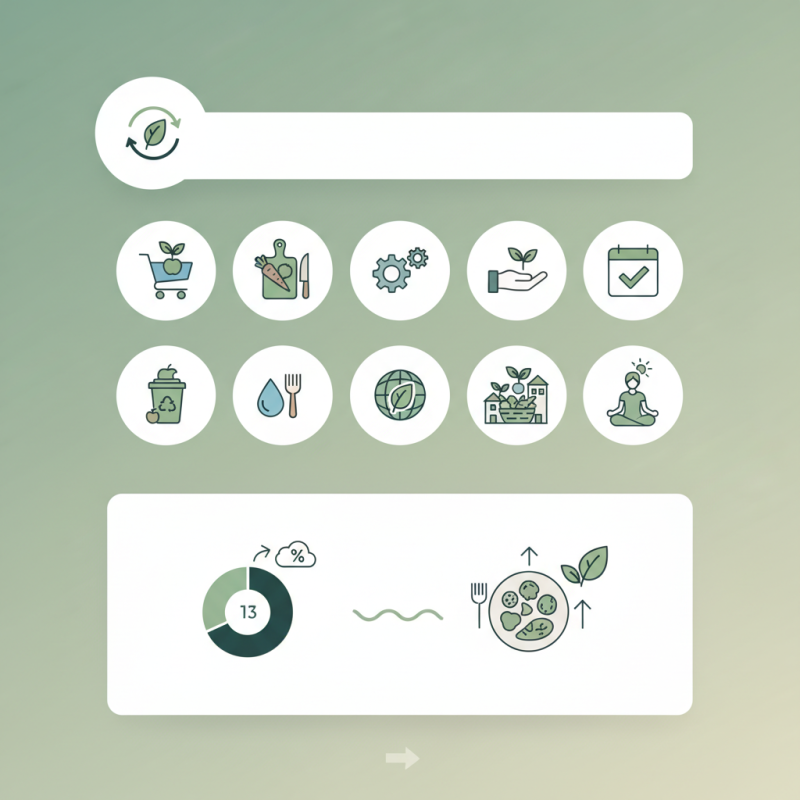
Sustainable eating routines are vital for our health and the planet. They involve choosing foods that are not only nutritious but also environmentally friendly. This means focusing on local, seasonal produce. Foods grown nearby tend to require less transportation, reducing carbon emissions. It’s a simple way to contribute to sustainability.
Creating a sustainable routine can be challenging. One might fall back into habits that are quick but unhealthy. For example, it's easy to grab packaged snacks. These often come with excessive packaging and additives. Instead, consider meal prepping with whole ingredients. This might require some effort initially, but it pays off in the long run. Sometimes, simplification in our choices leads to unexpected insights about our eating habits.
Reflecting on choices also helps. Are we eating mindlessly or making informed decisions? Regularly asking ourselves these questions cultivates mindfulness. This approach deepens our connection with food. It encourages us to appreciate flavors and origins. While perfection is unattainable, striving for better choices each day can truly lead to a positive impact on both personal health and the environment.
Assessing your current eating habits is the first step to building a sustainable eating routine. Take time to track what you eat in a food journal. Write down not only meals but also snacks and drinks. Look for patterns over a week. You might discover you often skip breakfast or rely on takeout. These habits can signal areas for improvement.
Reflection is key. How do certain foods make you feel? Do you experience energy spikes or crashes? Notice when cravings strike. Are they related to emotions or boredom? It’s essential to acknowledge these triggers. Consider what choices align with your goals. It’s okay to admit that fast food or sugary snacks often derail your efforts. Acknowledging this can motivate positive change.
Create a list of small, realistic changes. Swap processed snacks for fruits or nuts. If you're eating out too much, plan meals at home. Don’t aim for perfection; progress is more important. Understand that it’s a journey filled with ups and downs. Acknowledge where you currently are, and gently push towards improvements. Allow yourself grace during this process.
Incorporating seasonal and local foods into your diet can change your eating routine for the better. When you choose ingredients that are in season, you naturally enhance the flavor of your meals. Local produce tends to be fresher, which means it’s often more nutritious. Imagine biting into a ripe peach in summer, bursting with juice. It’s an experience that a trucked-in fruit simply can’t match.
Finding a local farmers' market is a great start. Many communities host these weekly, providing an array of fresh fruits and vegetables. However, navigating the offerings may seem overwhelming. Take the time to talk to the vendors. They can share recipes and cooking tips that highlight their produce. Don’t be afraid to ask about their farming practices. It builds a connection and can guide your choices.
Seasonal eating requires some flexibility. You might need to adapt your favorite recipes based on what's available. Not every vegetable you desire will be on hand year-round. This limits options but invites creativity. Learning to embrace what’s available can enhance your culinary skills over time. It is a process of trial and error. Some attempts may lead to dish disasters, but others could spark culinary inspiration. Enjoy the journey of discovering flavors directly from your community.
Creating a sustainable eating routine can feel overwhelming. However, meal planning and prepping can simplify the process and lead to healthier choices. A study published by the American Journal of Preventive Medicine found that meal planning can reduce food waste by 25% and lower grocery bills significantly, by up to 15%. By dedicating time each week to plan, you can avoid impulse buys and unhealthy options.
Start by evaluating what meals you enjoy and what ingredients you usually have on hand. Create a rotating meal plan that allows for flexibility. Having versatile ingredients is crucial. For example, grains like quinoa or brown rice can be paired with various proteins and vegetables. A reliable approach is to prepare a few base dishes, then modify them through toppings and spices to keep things interesting.
Don’t shy away from imperfect meal preparations. Perhaps your meal didn't turn out as planned, or you forgot an ingredient. Reflect on these experiences. They can help you adjust your strategy. Remember, the goal isn't perfection but consistency and sustainability. According to research from the Harvard T.H. Chan School of Public Health, regular home cooking correlates with healthier eating patterns. Embrace the messiness of the process—you may stumble, but it can lead to lasting improvements in your routine.
| Tip Number | Tip | Description | Estimated Time (minutes) |
|---|---|---|---|
| 1 | Plan Your Meals | Create a weekly meal plan to reduce food waste and save time. | 30 |
| 2 | Batch Cooking | Prepare large quantities of food at once to streamline your week. | 120 |
| 3 | Use Seasonal Ingredients | Choose fruits and vegetables that are in season for better flavor and price. | 15 |
| 4 | Create a Shopping List | Shop with a list to avoid impulse purchases and stick to your meal plan. | 10 |
| 5 | Prep Snacks in Advance | Prepare healthy snacks for quick access during busy days. | 25 |
| 6 | Invest in Containers | Use clear containers to store prepped meals for easy visibility. | 20 |
| 7 | Experiment with Recipes | Try new recipes to keep your meals exciting and nutritious. | 45 |
| 8 | Stay Hydrated | Keep water readily available to encourage daily hydration. | 5 |
| 9 | Involve the Family | Make meal planning and prepping a family activity to share responsibility. | 30 |
| 10 | Set Realistic Goals | Start with small, achievable changes to develop a sustainable routine. | 10 |
Building a sustainable eating routine isn't just about the food choices you make. Staying motivated and accountable is vital. One effective approach is to share your journey with friends or family. Let them know your goals. They can provide encouragement and remind you of your commitment. This social support boosts your motivation significantly.
Tracking your progress can also enhance accountability. Create a simple food diary. Document what you eat and how it makes you feel. This practice helps identify patterns and habits. It might reveal moments of indulgence driven by stress or boredom. These insights are valuable for refining your approach. Acknowledge where you can improve. It’s perfectly normal to have days where you stray from your routine.
Celebrating small wins is essential, too. Did you try a new recipe or learn more about sustainable ingredients? These moments matter. Reflect on them. They fuel your motivation. Remember, the journey is not about perfection. Embrace the learning process. Adjust your strategies as needed. Consistency, not perfection, is key to a sustainable eating routine.
: It involves choosing nutritious, environmentally friendly foods, focusing on local and seasonal produce.
Local foods require less transportation, which reduces carbon emissions and supports sustainability.
Meal prepping can reduce food waste and lower grocery bills, making it easier to choose healthy options.
Include meals you enjoy and ingredients you usually have. Versatile ingredients can help keep meals varied.
Reflect on the experience and adjust your strategy. Imperfect meals can still lead to improvements.
Regularly ask yourself if you are eating mindlessly or making informed choices. This fosters a deeper connection with food.
No, aiming for consistency and better choices is more important than striving for perfection.
Regular home cooking is linked to healthier eating patterns, as it encourages more mindful food choices.
A rotating meal plan allows you to adapt ingredients and keep meals interesting, preventing boredom.
Start small with simple plans, and gradually build your routine to avoid feeling overwhelmed.
Building a sustainable eating routine is essential for both personal health and environmental well-being. In the article "10 Tips to Build a Sustainable Eating Routine Easily," readers are guided through a structured approach that includes understanding the significance of sustainable eating habits, such as reducing waste and supporting local economies. By assessing current eating habits, individuals can identify areas for improvement and make informed choices that align with their values.
Incorporating seasonal and local foods not only enhances the diet's freshness but also reduces carbon footprints. Effective strategies for meal planning and prepping play a crucial role in maintaining consistency. Finally, staying motivated and accountable within this journey is key to long-term success. By following these tips, anyone can learn how to build a sustainable eating routine that benefits both themselves and the planet.

JETZ Foods