China Top 10 Foods To Maintain Consistent Healthy Eating

Time:2026-10-18 Author:Oliver
0%

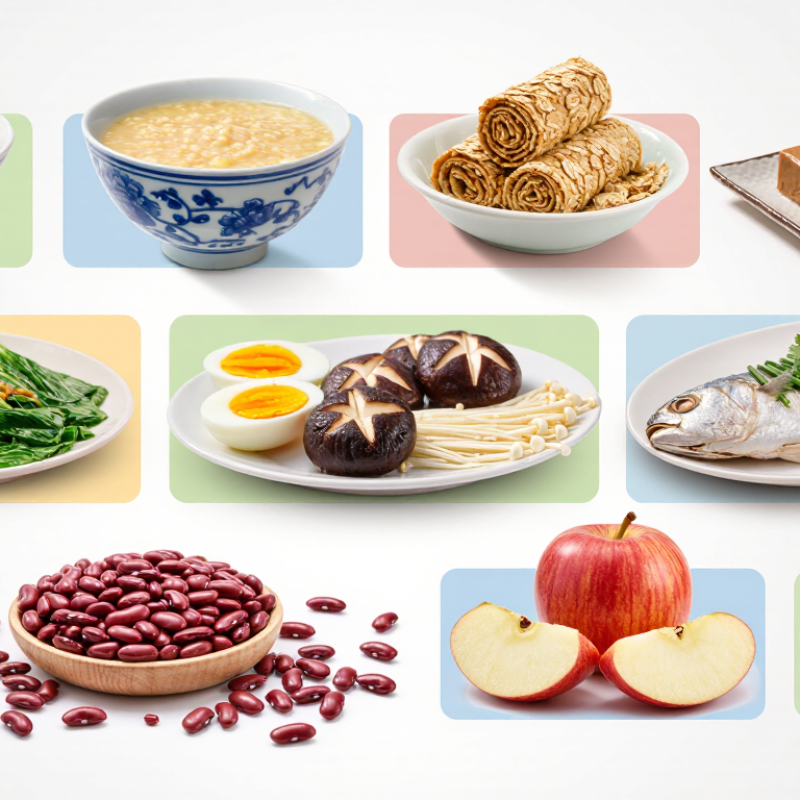
Maintaining a healthy diet can feel difficult when work, family meals, and changing schedules compete for attention. China’s traditional food culture offers practical choices that can support a steadier routine. Rice, oats, millet, tofu, eggs, leafy greens, mushrooms, fish, beans, and fresh fruit can add fiber, protein, vitamins, and satisfying textures to everyday meals. These foods are familiar, affordable, and easy to prepare in many homes.

How To Maintain Consistent Healthy Eating depends less on perfection and more on repeatable habits. A warm bowl of millet porridge, steamed fish, and stir-fried bok choy can create a balanced lunch without complicated planning. Tofu with mushrooms may provide a useful plant-based protein option. Portion size still matters, especially with rice, oil, sauces, and salty preserved foods. Small changes count.

Nutrition professionals commonly recommend varied foods, reasonable portions, and limited added salt, sugar, and saturated fat. Personal needs can differ because of age, activity, allergies, medication, or medical conditions. This guide focuses on general nutrition, not individual treatment. No list is perfect. Some meals may be rushed, and some choices may be less balanced than planned. The goal is to notice patterns and improve them gradually. The following ten Chinese foods offer realistic building blocks for consistent, nourishing eating.
China Top 10 Foods To Maintain Consistent Healthy Eating

What Defines Healthy Traditional Chinese Foods

China Top 10 Foods To Maintain Consistent Healthy Eating

What Defines Healthy Traditional Chinese Foods

Healthy traditional Chinese food is defined by balance, not by one “perfect” ingredient. In many home kitchens, vegetables, beans, tofu, grains, and modest portions of fish share the table. Steaming, braising, and quick stir-frying preserve texture while using less oil. Fresh ginger, garlic, scallions, and herbs can add flavor without relying on heavy sauces.

A balanced meal may include brown rice, leafy greens, mushrooms, tofu, steamed fish, or a light bean soup. These foods provide fiber, plant protein, vitamins, and useful minerals. Still, traditional does not always mean healthy. Some dishes contain too much salt, sugar, or oil. I have noticed this when eating restaurant-style meals. The flavor is enjoyable, but the balance can disappear quickly. Health also depends on portion size and cooking frequency.

Tips: Choose seasonal vegetables with several colors. Keep salty sauces on the side. Pair rice with protein and vegetables. Eat slowly. Notice fullness. Home cooking makes these choices easier to control, although it is not always convenient. A practical routine is better than strict perfection. If you have diabetes, kidney disease, or food allergies, seek advice from a qualified healthcare professional before changing your diet.

Ten Nutrient-Rich Chinese Foods for Everyday Eating

A nourishing Chinese eating pattern can rely on ten practical foods: brown rice, millet, oats, tofu, edamame, bok choy, spinach, mushrooms, seaweed, and fish. These foods provide fiber, protein, calcium, iron, iodine, and useful unsaturated fats. Their nutrients vary, so variety matters more than naming one “perfect” ingredient.

In a home kitchen, millet can replace part of white rice, while tofu absorbs ginger, garlic, and scallion flavors. Steamed fish offers protein without heavy frying. Mushrooms add texture to soups, and bok choy cooks quickly beside noodles. Seaweed is nutrient-dense, but some products contain substantial sodium. Wash dried seaweed briefly and use a small portion. I still find portion control difficult on busy evenings. That is worth noticing, not hiding.

Tips: Keep cooked grains chilled promptly and reheat them thoroughly. Pair plant proteins with vegetables and a small amount of sesame or peanut. Choose fresh or frozen produce when convenient. If you have thyroid, kidney, or seafood-related concerns, ask a qualified health professional before changing seaweed or fish intake. Rotate these foods across the week, and adjust serving sizes to your age, activity, and health needs.

Key Nutrients and Health Benefits of Each Food

China Top 10 Foods to Maintain Consistent Healthy Eating

Key Nutrients and Health Benefits of Each Food

A practical Chinese diet can include oats, brown rice, tofu, eggs, fish, leafy greens, tomatoes, berries, yogurt, and walnuts. Oats and brown rice provide fiber, magnesium, and slower-release carbohydrates. Tofu supplies plant protein, calcium, and iron. Eggs offer complete protein, choline, vitamin B12, and selenium. Fish contributes protein and omega-3 fats, which support heart and brain health. Leafy greens provide folate, vitamin K, vitamin C, and carotenoids. Tomatoes contain vitamin C and lycopene, especially after gentle cooking. Berries add fiber and polyphenols. Yogurt supports calcium intake and may provide beneficial live cultures. Walnuts deliver plant omega-3 fats, copper, and useful protein.

The 2022 Chinese Dietary Guidelines recommend 300–500 grams of vegetables and 200–350 grams of fruit daily. WHO also advises at least 400 grams of fruit and vegetables each day. These figures make portion planning more concrete: add greens beside lunch, fruit after breakfast, and tofu or fish at dinner.

A small bowl of oats, one egg, and unsweetened yogurt can create a steady morning meal. The weak point is variety. Eating tomatoes daily does not replace leafy greens, and walnuts remain calorie-dense. I would also avoid treating “healthy” as unlimited. Personal allergies, kidney conditions, and digestive tolerance still matter. Waist size, energy, and regular blood tests deserve attention too.

Balanced Ways to Include These Foods in Daily Meals

China Top 10 Foods To Maintain Consistent Healthy Eating

Balanced Ways to Include These Foods in Daily Meals

A balanced Chinese-style meal can include ten practical choices: brown rice, oats, leafy greens, tomatoes, mushrooms, tofu, fish, eggs, plain yogurt, and fresh fruit. These foods provide fiber, protein, vitamins, and useful fats without requiring complicated recipes. I often plan meals around one protein, two vegetables, and a moderate portion of grains. It feels realistic on busy days.

Try oats with plain yogurt and sliced fruit at breakfast. Add a boiled egg when morning hunger arrives early. At lunch, serve brown rice with tofu, mushrooms, and stir-fried greens. Use less oil, and season with garlic, ginger, vinegar, or scallions. Small changes matter. Fish can replace fatty meat at dinner once or twice weekly, while tomatoes and seaweed add color and variety. Choose fresh or lightly processed options when possible.

Portions still need attention. Healthy foods can become excessive, especially rice, nuts, or cooking oil. A practical plate might hold half vegetables, one quarter protein, and one quarter grains. That is not a strict rule. Your appetite, activity, age, and health needs may differ. I sometimes prepare too much food, then eat beyond comfort to avoid waste. A better habit is saving leftovers safely for another meal. People with diabetes, kidney disease, allergies, or other medical conditions should seek individualized advice from a qualified health professional.

Food Safety, Portion Control, and Sustainable Eating Practices

China Top 10 Foods To Maintain Consistent Healthy Eating

A practical list includes brown rice, millet, sweet potatoes, spinach, tomatoes, mushrooms, tofu, eggs, fish, and plain yogurt. These foods provide fiber, protein, vitamins, and useful minerals. Together, they can support steady energy and healthier daily meals. Yet healthy eating also depends on safe handling and sensible portions. I still sometimes serve too much rice when I am hungry.

Food safety starts with clean hands, washed produce, and separate boards for raw meat and vegetables. Cook fish and eggs thoroughly, especially for children and older adults. Keep chilled foods cold, and avoid eating leftovers left out for many hours. Portions matter too. Fill half the plate with vegetables, then add protein and a smaller grain portion.

Tips: Choose seasonal produce from nearby farms when possible. Buy only what your household can eat. Store mushrooms and leafy greens carefully. Use tofu, beans, or eggs more often than large meat portions. Plan one meat-free meal each week. My own weak point is food waste; careful planning helps, but it does not remove every mistake. Sustainable eating should remain practical, affordable, and safe for real households.

FAQS

What makes traditional Chinese food healthy?

Balance matters more than one perfect ingredient. A meal may combine vegetables, tofu, grains, beans, and modest fish portions. Steaming, braising, and quick stir-frying can reduce added oil. Not always.

Which foods provide useful nutrients?

Brown rice, millet, oats, tofu, edamame, leafy greens, mushrooms, seaweed, and fish offer varied nutrients. They can provide fiber, protein, calcium, iron, iodine, vitamins, and unsaturated fats. Variety matters most.

How can I build a balanced plate?

Fill about half the plate with vegetables. Use one quarter for protein and one quarter for grains. Try brown rice with tofu, mushrooms, and cooked greens. This is flexible, not a strict rule.

How can I add flavor without heavy sauces?

Use ginger, garlic, scallions, herbs, vinegar, or small amounts of sesame. Keep salty sauces on the side. Fresh aromatics can make steamed fish and tofu more enjoyable.

What is a practical breakfast idea?

Combine oats, plain yogurt, and sliced fruit. Add a boiled egg if hunger arrives early. This meal supplies protein, fiber, and carbohydrates without complicated cooking. Small steps count.

How often should fish be included?

Fish can replace fattier meat once or twice weekly. Steaming or light cooking avoids heavy frying. Choose portions that fit your health needs and overall eating pattern.

Are all traditional dishes automatically healthy?

No. Some dishes contain considerable salt, sugar, or oil. Restaurant-style meals may taste excellent but lose balance quickly. Portion size and cooking frequency still matter.

How should seaweed be used?

Use a small portion because some products contain substantial sodium. Briefly wash dried seaweed before adding it to soup. People with thyroid or kidney concerns should seek professional advice.

How can I manage portions at home?

Serve moderate grains and control cooking oil. Save safe leftovers instead of eating past comfort. I still prepare too much food sometimes. That habit needs attention.

Who should seek dietary advice?

People with diabetes, kidney disease, thyroid concerns, seafood issues, or food allergies should consult a qualified health professional. Individual needs can change suitable portions and food choices.

Conclusion

This guide explores how traditional Chinese foods can support consistent, balanced nutrition and overall well-being. It introduces ten nutrient-rich choices, such as vegetables, whole grains, legumes, tofu, mushrooms, fish, eggs, fruit, nuts, and fermented foods, while explaining their contributions of protein, fiber, vitamins, minerals, and beneficial fats. Rather than focusing on restrictive diets, the article emphasizes variety, freshness, moderate seasoning, and minimally processed ingredients.

It also presents practical ways to include these foods in daily breakfasts, lunches, dinners, and snacks through balanced combinations of grains, vegetables, and protein. Readers will learn How To Maintain Consistent Healthy Eating by controlling portions, choosing sensible cooking methods, limiting excessive salt, sugar, and oil, and paying attention to food freshness and safe preparation. Sustainable habits, including seasonal shopping, reducing waste, and enjoying diverse plant-based foods, are also encouraged for long-term health.

Oliver

Oliver

Oliver is a seasoned marketing professional with a wealth of expertise in driving brand awareness and engagement. With a deep understanding of our company's product offerings, he consistently delivers high-quality content that enriches our professional blog. His insights not only shed light on......