Top 10 Healthy Eating Habits for Busy Lifestyles

Time:2026-10-27 Author:Ethan
0%

Busy days often turn meals into rushed decisions. A skipped breakfast becomes coffee, then hunger drives a pastry at 3 p.m. Yet healthy eating does not require a perfect kitchen, expensive powders, or hours of preparation. The Best Healthy Eating Habits For Busy Lifestyles begin with realistic choices that fit meetings, commutes, childcare, and changing energy levels. This guide explores ten practical habits for steadier nourishment, better focus, and sustainable routines.

Each habit connects familiar nutrition principles with everyday experience. Building meals around vegetables, fruit, whole grains, protein, and healthy fats can improve balance and satisfaction. Water should remain easy to reach, especially during long workdays or travel. Simple preparation also matters: a container of yogurt, berries, and nuts can rescue a missed lunch, while chopped vegetables can shorten dinner preparation. Food safety belongs in the plan, too. Perishable foods need prompt refrigeration and clean storage. These details are modest, but they often decide whether a good intention survives a crowded afternoon.

No routine works perfectly. Some mornings will collapse. That is normal. A flexible plan can recover without guilt. Readers will find evidence-informed suggestions, practical examples, and small adjustments that can be tested over time. Individual needs differ, including allergies, medical conditions, cultural preferences, and activity levels. Professional advice remains important when nutrition affects treatment or health goals. The aim is not dietary perfection. It is a dependable pattern of choices that makes busy days healthier, one manageable meal at a time.
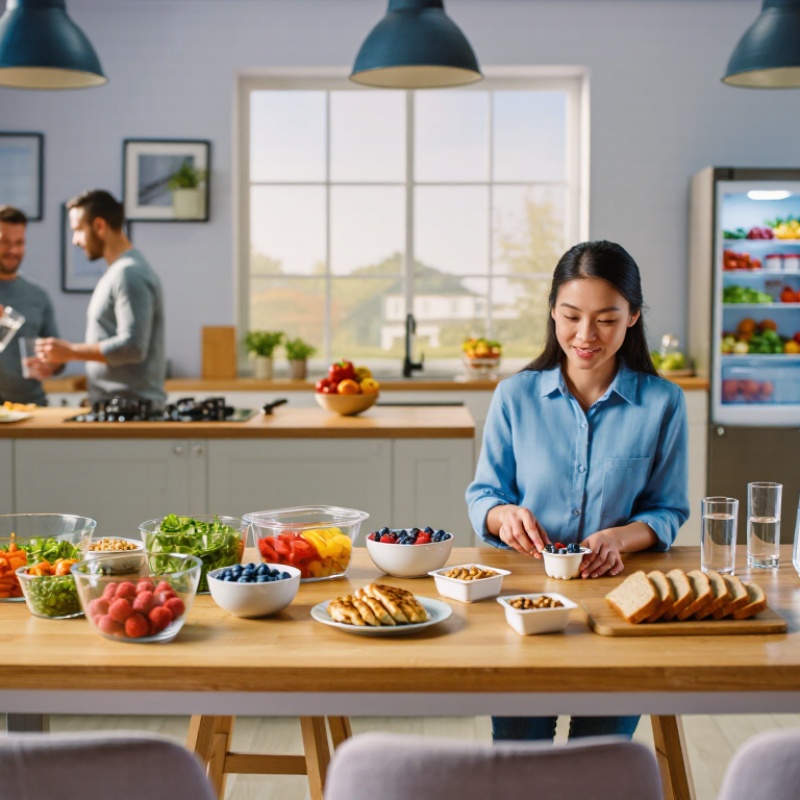
Top 10 Healthy Eating Habits for Busy Lifestyles

Understanding Healthy Eating for Busy Lifestyles

Top 10 Healthy Eating Habits for Busy Lifestyles
Understanding Healthy Eating for Busy Lifestyles

Healthy eating during a busy week is less about perfection and more about dependable choices. Keep water, fruit, plain yogurt, or unsalted nuts within reach. A prepared meal can prevent the rushed pastry-and-coffee routine. Include protein, vegetables, whole grains, and healthy fats when possible. This combination supports steadier energy and better fullness.

Plan two simple meals before your busiest days. Cook extra rice, eggs, beans, or vegetables and store them in clear containers. Use smaller portions when eating quickly, then pause for ten minutes. Eat at a table, not beside a keyboard. Read food labels for sodium, added sugar, and serving sizes. Choose frozen vegetables when fresh produce may spoil. They can still provide valuable nutrients.

Keep emergency meals realistic. A whole-grain sandwich, boiled eggs, and sliced tomatoes may take five minutes. Avoid skipping meals to “save calories”; hunger can make later choices harder. Sleep also matters, because fatigue often increases cravings. Some advice may fail on stressful days. I still order convenient food sometimes, and that does not erase healthy habits. The useful question is what can improve the next meal. People with diabetes, food allergies, digestive conditions, or special nutritional needs should seek individualized guidance from a qualified healthcare professional.

Planning Balanced Meals Around a Demanding Schedule

Top 10 Healthy Eating Habits for Busy Lifestyles

Planning Balanced Meals Around a Demanding Schedule

A demanding schedule can make healthy eating feel unrealistic. However, small preparations often prevent rushed choices. I plan three flexible meals before the week becomes crowded. Each meal includes vegetables, a protein source, whole grains, and healthy fats. A boiled egg, brown rice, and sliced cucumber can become lunch in minutes. Keeping frozen vegetables available also reduces chopping time and food waste.

Tips: Cook two servings at dinner. Save one for tomorrow. Keep fruit near your workspace. Carry water in a reusable bottle. Check hunger before ordering food. These habits sound simple, but consistency matters more than perfection. I sometimes prepare too much and lose interest in leftovers. A shorter menu works better for me. Rotating four or five reliable meals feels less stressful than constant cooking.

A balanced meal does not need complicated recipes or expensive ingredients. Nutrition professionals commonly recommend variety, adequate fiber, and reasonable portions. Busy adults should also consider allergies, medical conditions, and personal energy needs. A registered dietitian can provide safer, individualized guidance when necessary. On especially demanding days, a whole-grain sandwich, yogurt, and an apple may be enough. It is not a perfect plate. It is still a practical step toward eating well.

Choosing Nutritious Foods for Quick and Convenient Meals

Top 10 Healthy Eating Habits for Busy Lifestyles

Choosing nutritious food becomes easier when meals follow a simple structure. Build each meal around protein, fiber, and colorful produce. Use eggs, beans, yogurt, fish, or leftover chicken for practical protein. Choose oats, brown rice, whole-grain bread, or potatoes for lasting energy. Add washed spinach, carrots, tomatoes, or frozen vegetables. Frozen produce can be nutritious, affordable, and quick to cook. Rinse canned beans when possible. This may reduce excess sodium. Keep water nearby. Small decisions matter.

Prepare ingredients during a quieter moment, even if you have only fifteen minutes. Cook extra grains and vegetables for tomorrow’s lunch. Store single portions in clear containers. This makes rushed choices less random. Read food labels for sodium, added sugar, fiber, and protein. Pack simple snacks, such as fruit with nuts or yogurt with oats. Convenience should support nutrition, not replace it. That distinction is easy to forget.

In my own busy weeks, I sometimes prepare carefully and still order an unplanned meal. That is not failure, but it reveals a weak routine. I now keep a quick meal option in the refrigerator and a shelf-stable option nearby. A balanced plate can be modest: beans, microwaveable rice, and sliced vegetables. Eating slowly for a few minutes also helps me notice fullness. It does not always work. Stress can still change my appetite.

Building Simple Habits for Healthy Eating on the Go

Top 10 Healthy Eating Habits for Busy Lifestyles

Building Simple Habits for Healthy Eating on the Go

Busy schedules reward preparation, not perfection. Keep habit one simple: carry water in a reusable bottle. Habit two is packing one fruit, such as an apple or banana. Habit three is adding vegetables to lunch, even if they come frozen. The World Health Organization recommends at least 400 grams of fruits and vegetables daily. Yet, CDC surveillance reports that only about one in ten U.S. adults meets fruit and vegetable targets. A small container of carrots can make a practical difference.

Choose whole-grain bread or oats for habit four. Add beans, eggs, yogurt, or nuts for habit five. These options provide useful protein and fiber without complicated cooking. Habit six is reading serving sizes before buying packaged food. Habit seven is keeping healthier snacks visible at your desk. Habit eight is preparing two meals at once. Ten minutes of chopping tonight can protect tomorrow’s rushed choice. USDA dietary guidance emphasizes nutrient-dense foods while limiting added sugars, saturated fat, and sodium.

Habit nine is eating slowly, even during a short break. Put the phone down for five minutes. Habit ten is planning one flexible meal each week. It might be imperfect. Mine sometimes becomes soup and toast. That still beats skipping lunch and overeating later. Research from the National Health and Nutrition Examination Survey links frequent meals prepared at home with better diet quality, although time and access remain real barriers. A workable routine should fit the commute, budget, and kitchen available.

Maintaining Consistency Through Preparation and Flexibility

Busy schedules rarely destroy healthy intentions; inconsistent systems do. Preparation creates a reliable baseline, while flexibility prevents one missed meal from becoming a lost week. The World Health Organization recommends at least 400 grams of fruit and vegetables daily, yet the CDC reports that only about one in ten U.S. adults meet fruit and vegetable recommendations. Keep it visible. Place washed apples near your keys, portion nuts into small containers, and store cooked grains for quick meals.

Build two or three “default meals” that need little thought. A bowl with vegetables, beans, whole grains, and eggs can take less than ten minutes. Prepare ingredients, not rigid menus. If Tuesday becomes chaotic, use a simple alternative with similar food groups.

The USDA Dietary Guidelines for Americans emphasize nutrient-dense choices across the eating pattern, rather than perfection at every meal. That distinction matters during travel, overtime, or family emergencies.

Flexibility also requires honest planning. Pack shelf-stable snacks, carry water, and check tomorrow’s schedule before dinner. Plans will fail. I sometimes prepare too much and waste food, so smaller batches may be wiser. Track consistency weekly, not hourly. Aim for repeatable actions: one prepared vegetable, one protein option, and one sensible backup. The WHO also advises limiting salt to less than five grams daily, making homemade sauces and unsalted ingredients practical tools when convenience foods dominate the day.

FAQS

How can I eat healthily during a busy workweek?

Keep water, fruit, plain yogurt, and unsalted nuts nearby. Prepare one simple meal before your busiest day. Small steps count.

What should a balanced quick meal include?

Combine protein, vegetables, whole grains, and healthy fats when possible. Try eggs, frozen vegetables, cooked rice, and beans.

How can I avoid skipping meals?

Prepare realistic emergency meals. A whole-grain sandwich, boiled eggs, and sliced tomatoes can take five minutes.

Are frozen vegetables a healthy option?

Yes. Frozen vegetables can retain useful nutrients and reduce food waste. They help when fresh produce may spoil.

How can I control portions when eating quickly?

Use a smaller plate or container. Eat at a table, not beside your keyboard. Pause for ten minutes afterward.

What foods should I keep visible and ready?

Place washed apples near your keys. Portion nuts into small containers. Store cooked grains in clear containers.

What should I do when my meal plan fails?

Use a simple backup with similar food groups. One missed meal does not ruin the week. Plans fail sometimes.

How can I stay consistent without demanding perfection?

Prepare ingredients instead of rigid menus. Aim for one vegetable, one protein, and one sensible backup daily. I still choose convenience food sometimes.

How can I make healthier choices when ordering convenient food?

Look for vegetables, a protein source, and a moderate portion. Check sodium and added sugar when information is available.

When should I seek individual nutrition advice?

Speak with a qualified healthcare professional if you have diabetes, allergies, digestive conditions, or special nutritional needs. Personal advice matters.

Conclusion

Healthy eating can remain practical and enjoyable even when life is busy. The Best Healthy Eating Habits For Busy Lifestyles begin with planning balanced meals that fit a demanding schedule. Preparing simple combinations of vegetables, fruits, whole grains, lean proteins, and healthy fats can reduce last-minute choices while providing steady energy. Convenient options such as pre-cut produce, boiled eggs, yogurt, nuts, salads, and homemade sandwiches make it easier to choose nutritious foods when time is limited.

Small, consistent habits are more effective than complicated rules. Keep healthy snacks available, carry water, and prepare several meal components in advance so meals can be assembled quickly. Flexibility is equally important: adjust portions and ingredients according to changing schedules rather than abandoning healthy goals altogether. By focusing on preparation, mindful choices, and realistic routines, busy individuals can maintain a balanced eating pattern that supports well-being both at home and on the go.

Ethan

Ethan

Ethan is a seasoned marketing professional with a deep expertise in our company's innovative product line. With a passion for sharing knowledge and insights, he takes the lead in regularly updating our corporate blog, where he explores industry trends, product features, and effective marketing......