As the demand for healthier lifestyles grows, "Plant-Based Foods" continue to gain popularity. Research from the Plant-Based Foods Association reveals a significant 27% increase in plant-based food sales over the past year. These foods offer a wealth of nutrients and can reduce health risks, attracting more consumers.
Dr. Jane Goodall, a renowned expert in the field, emphasizes, "Eating plant-based is not only good for your body; it’s vital for the planet." This statement highlights the shift towards more sustainable eating habits. However, one must consider the challenges. Not all plant-based foods are equal. Some processed items can contain unhealthy additives.
Many struggle with the transition, often reverting to familiar choices. Understanding the top ten plant-based foods can empower better decisions. These foods can support overall health and well-being, yet moderation and mindfulness are essential.
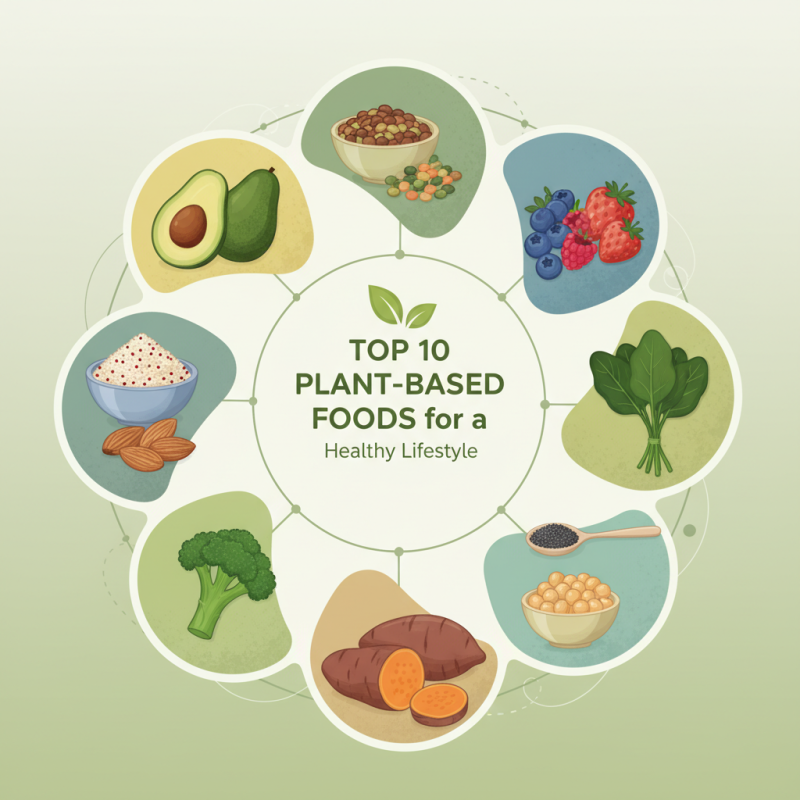
Understanding a plant-based diet starts with recognizing its core principles. This approach emphasizes whole foods derived from plants. Fruits, vegetables, legumes, grains, nuts, and seeds are staples. They provide essential nutrients without the excess saturated fats found in some animal products. Imagine vibrant salads packed with colorful veggies, hearty grain bowls filled with legumes, and fresh fruits as snacks.
Transitioning to a plant-based diet is not always easy. Many people find it challenging to give up familiar foods. Sometimes, cravings can lead to setbacks. It’s important to reflect on these moments rather than feel defeated. Experimenting can help. Try new recipes or substitute ingredients to keep meals exciting. Notice how your body feels after different meals.
Integrating more plant-based foods does not mean perfection. Building a diverse plate can be rewarding. Embrace the journey and remember that small changes add up. Pay attention to what makes you feel good. Enjoy the flavors and textures that come with this lifestyle. Each step toward more plant-based choices is a positive move for your health.
Incorporating plant-based foods into your diet can significantly enhance your health. Research from the Academy of Nutrition and Dietetics shows that a well-planned plant-based diet may lower heart disease risks by 30%. Whole grains, fruits, and vegetables are key players in promoting heart health. They provide essential nutrients and fiber, helping maintain healthy cholesterol levels.
Beans and legumes are rich in protein and fiber, making them an excellent meat alternative. A study published in the Journal of the American College of Cardiology found that replacing animal proteins with plant-based sources can reduce heart disease rates. Nuts can also boost nutrition, offering healthy fats and vitamin E. However, moderation is crucial; consuming excessive nuts can lead to weight gain.
Dark leafy greens are packed with vitamins A, C, and K. They also contain antioxidants that combat oxidative stress. A 2021 report indicated that people who eat more greens have a lower risk of type 2 diabetes. Still, many struggle to incorporate vegetables daily. It’s a challenge to change dietary habits, but gradual adjustments can lead to lasting benefits.
This chart illustrates the nutritional benefits of incorporating top plant-based foods into your diet. Each food category is represented by its respective protein content (grams per 100 grams) and fiber content (grams per 100 grams).
Plant-based foods are becoming popular for promoting a healthy lifestyle. Studies show that incorporating these foods can reduce the risk of chronic diseases. For example, a report from the American Journal of Clinical Nutrition highlights that a diet rich in fruits and vegetables may lower heart disease risk by 30%.
Legumes, such as beans and lentils, are nutrient-dense. They offer protein and fiber, essential for digestion. Research from the Harvard T.H. Chan School of Public Health indicates that higher fiber intake from legumes can improve gut health significantly. A serving of lentils has about 18 grams of protein and only 230 calories.
Leafy greens like spinach and kale provide vital vitamins. They are packed with antioxidants, helping combat oxidative stress. According to a study published in Nutrients, individuals consuming greens regularly showed enhanced mental clarity. However, many struggle to maintain consistency in consuming adequate servings. Finding ways to incorporate these foods daily remains a challenge for many individuals striving for a healthier lifestyle.
Incorporating plant-based foods into your diet can feel overwhelming. Start by adding one new food each week. Explore options like quinoa, lentils, and chickpeas. They are nutritious and filling. Make simple swaps, like using almond milk instead of dairy. Adjusting your favorites can help ease the transition.
Meal prepping can be a game-changer. Set aside time on weekends to prepare meals. Cut up vegetables and cook grains in advance. This saves time during busy weekdays. Experiment with herbs and spices to enhance flavors. Remember, it’s okay if some meals don’t turn out as expected. Learning is part of the process.
Don't forget to listen to your body. Some may feel sluggish when changing diets. That's normal, as your system adjusts. Try keeping a food diary to track your energy levels. Reflect on how different plant foods affect you. This knowledge can guide your dietary choices in the future.
| Food Item | Nutritional Benefits | How to Include in Diet |
|---|---|---|
| Quinoa | High in protein, fiber and essential amino acids | Use as a base for salads or bowls |
| Chickpeas | Rich in protein, fiber, and iron | Add to soups, salads, or make hummus |
| Kale | High in vitamins A, K, C and antioxidants | Use in salads, smoothies, or stir-fries |
| Lentils | Excellent source of protein, fiber, and folate | Great in soups, stews, and salads |
| Sweet Potatoes | High in fiber, vitamin A, and antioxidants | Bake, mash, or toss in salads |
| Avocado | Rich in healthy fats, fiber, and potassium | Spread on toast, add to smoothies, or salads |
| Almonds | High in healthy fats, vitamin E, and magnesium | Snack on raw, or add to oatmeal and yogurt |
| Berries | Rich in antioxidants, vitamins, and fiber | Add to smoothies, yogurt, or eat raw |
| Brown Rice | Good source of complex carbohydrates and fiber | Use as a side dish or in grain bowls |
| Spinach | High in vitamins, minerals, and antioxidants | Use in salads, smoothies, or as a cooked side |
Plant-based eating can be both healthy and tasty. For a nutritious meal, try a vibrant quinoa salad. Mix cooked quinoa with diced cucumbers, cherry tomatoes, and fresh parsley. Drizzle with olive oil and lemon juice for flavor. This dish is refreshing and packed with protein.
Another delightful idea is a hearty vegetable stir-fry. Use broccoli, bell peppers, and snap peas. Stir-fry them in a pan with garlic and ginger. Add some soy sauce for an extra punch. It’s quick to prepare and full of colorful nutrients.
Experimenting in the kitchen can lead to some unintentional mishaps. Maybe the stir-fry ends up too salty, or the salad is bland. That's okay! Each attempt teaches us something valuable. Embracing mistakes can lead us to create even better plant-based dishes. Enjoy the journey of discovering new flavors!
: A plant-based diet focuses on whole foods from plants. Fruits, vegetables, legumes, grains, nuts, and seeds are key.
Transitioning can be challenging. Cravings for familiar foods may lead to setbacks. It's essential to stay reflective.
Yes, enjoy vibrant salads, hearty grain bowls, and fresh fruits. Keep meals exciting by trying new recipes.
They may lower heart disease risks by 30%. Whole grains and veggies promote heart health and keep cholesterol in check.
Incorporate more fruits and veggies gradually. Focus on what makes you feel good and enjoy diverse flavors.
Yes, beans and legumes provide protein and fiber. They can effectively replace animal protein in meals.
Nuts offer healthy fats and vitamin E. However, eat them in moderation to avoid weight gain.
They are rich in vitamins A, C, and K. Additionally, they have antioxidants that help combat oxidative stress.
Yes, dietary changes can be tough. Reflecting on challenges can help you learn and grow from the experience.
Embrace the journey. Small, consistent changes matter. Focus on the positive effects on your health.
A healthy lifestyle can be significantly enhanced by incorporating Plant-Based Foods into your diet. Understanding the basics of plant-based diets highlights their focus on whole, unprocessed ingredients derived from plants. The nutritional benefits are extensive, including improved heart health, better weight management, and reduced risk of chronic diseases.
The article outlines the top 10 Plant-Based Foods that can be particularly beneficial, such as leafy greens, legumes, and nuts, each offering unique health advantages. To effectively include these foods in your daily meals, practical tips are provided, alongside delicious recipe ideas that make healthy living enjoyable and sustainable. Embracing Plant-Based Foods not only supports personal well-being but also promotes a more eco-friendly approach to eating.

JETZ Foods