In a world flooded with dietary trends, understanding how to build a balanced daily diet is crucial. According to the World Health Organization, poor diet contributes to around 11 million deaths globally each year. This highlights the need for clarity and accuracy in nutritional choices. A balanced diet can significantly reduce the risk of chronic diseases such as heart disease and diabetes, giving individuals the energy to thrive.
Building such a diet involves a delicate interplay of macronutrients and micronutrients. Data from the USDA shows that insufficient intake of fruits and vegetables remains a widespread issue, with only 12% of Americans meeting the recommended daily servings. This gap emphasizes the importance of developing practical strategies to incorporate a variety of foods into daily routines.
However, the path to balance is not always straightforward. Many individuals struggle with misconceptions about dieting and often fall prey to fad diets that promise quick results but lack scientific backing. Recognizing these pitfalls and striving toward sustainable, healthy eating habits can pave the way for long-term wellness. Implementing small, manageable changes can lead to significant improvements over time.
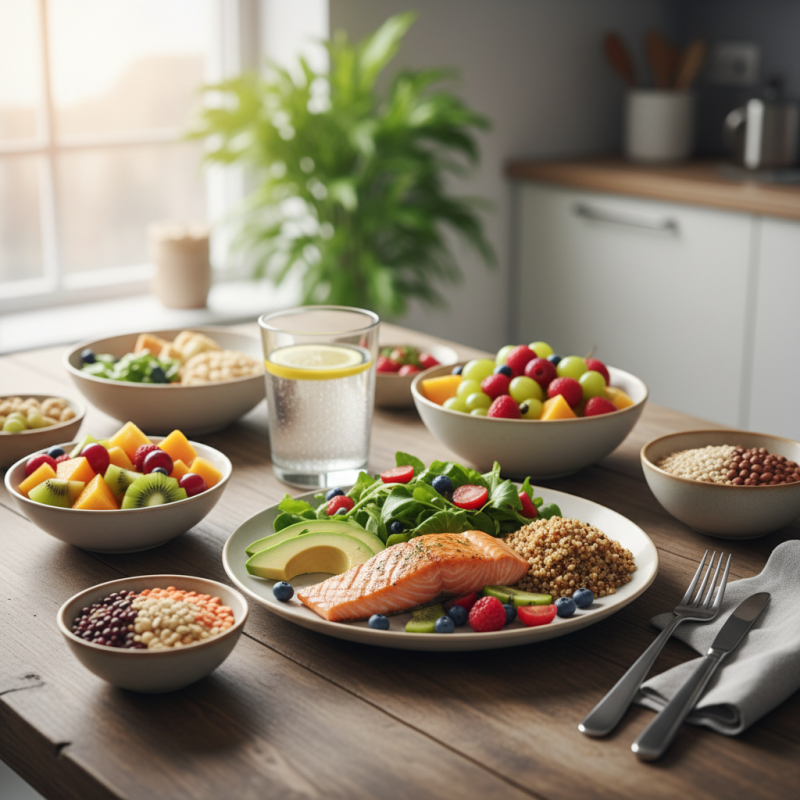
A balanced diet is crucial for maintaining good health. It includes a variety of foods in the right proportions. This ensures you get the right nutrients. A balanced diet supports energy levels and overall wellness.
Incorporate plenty of fruits and vegetables into your meals. Aim for at least five servings daily. This can include apples, spinach, or carrots. These foods provide essential vitamins and minerals. Whole grains like brown rice and quinoa are also important. They offer fiber, helping with digestion.
Consider lean proteins as part of your diet. Chicken, fish, or legumes are great choices. Protein helps build and repair tissues. Another tip is to stay hydrated. Drink water throughout the day. It keeps you energized and aids digestion. Reflect on your eating habits. Are you consuming enough variety? A balanced diet is not just about restriction but about enjoying different foods in moderation.
A balanced diet requires a focus on essential nutrients. These nutrients support various bodily functions and promote overall health.
Macronutrients are the foundation of your diet. Carbohydrates, proteins, and fats each play distinct roles. For example, carbohydrates provide quick energy. Opt for whole grains and fiber-rich fruits.
Micronutrients are equally important. Vitamins and minerals help regulate bodily processes. Vitamin C boosts immunity, while calcium strengthens bones. Green leafy vegetables, nuts, and seeds are excellent sources. It’s easy to overlook them in a busy lifestyle.
Focusing on portion sizes can lead to mindful eating. Too much of even healthy foods can be unhelpful. Ensure variety in your daily meals. This variety not only enhances flavor but also improves nutrient intake. Striking a balance may take time and experimentation. Reflecting on your choices can lead to better habits.
Portion control is crucial for maintaining a balanced daily diet. It's not simply about what you eat, but how much. Many people underestimate serving sizes, leading to overeating. An effective tip is to use smaller plates. It can create the perception of a full plate while actually reducing your intake. By visual trickery, you feel satisfied with less food.
Another essential aspect of portion control is mindful eating. Take the time to enjoy each bite. Focus on flavors and textures. Doing this can enhance your meal experience and prevent overeating. One critical point to remember is to listen to your body's hunger signals. Eat until you are satisfied, not stuffed.
Quality matters, too. Incorporate a variety of nutrient-dense foods. Vegetables, fruits, whole grains, and lean proteins should fill your plate. Avoid excessive processed foods which can lead to cravings and poor health. Finding balance is an ongoing journey that may require adjustments. Learning from meals that didn't satisfy can help refine your future choices.
Incorporating variety into your daily diet is essential for optimal health. Different food groups provide unique nutrients that your body needs. Fruits and vegetables are rich in vitamins and antioxidants. Aim for colorful plates, including greens, reds, and yellows. Try adding kale, sweet potatoes, and blueberries to your meals for a nutrient boost.
Whole grains should be a staple in your diet. From brown rice to quinoa, they offer fiber and energy. These grains can help sustain you throughout the day. Remember to experiment with legumes too. Beans and lentils not only add protein but also bring texture to salads and soups.
Protein sources should also vary. Consider plant-based options like tofu or tempeh. These can challenge your culinary skills while promoting heart health. Don't shy away from occasional indulgences. A balanced diet recognizes the need for treats, leading to a sustainable lifestyle. Assess your choices regularly. Finding a satisfying balance is a continuous journey, not a destination.
| Food Group | Recommended Daily Servings | Examples | Nutritional Benefits |
|---|---|---|---|
| Fruits | 2-4 servings | Apples, Bananas, Berries | Vitamins, Fiber, Antioxidants |
| Vegetables | 3-5 servings | Spinach, Carrots, Broccoli | Vitamins, Minerals, Fiber |
| Grains | 6-8 servings | Brown Rice, Quinoa, Whole Wheat Bread | Energy, Fiber, B Vitamins |
| Protein | 2-3 servings | Chicken, Lentils, Tofu | Muscle Repair, Essential Amino Acids |
| Dairy | 2-3 servings | Milk, Yogurt, Cheese | Calcium, Vitamin D, Protein |
| Fats | Use Sparingly | Olive Oil, Nuts, Avocado | Essential Fatty Acids, Hormone Production |
| Sweets | Limit Intake | Dark Chocolate, Honey | Occasional Treats, Enjoyment |
| Water | 8-10 cups | Plain Water, Herbal Tea | Hydration, Metabolic Function |
| Herbs & Spices | As Desired | Basil, Garlic, Cinnamon | Flavor, Antioxidants, Health Benefits |
Planning meals can be a daunting task. However, with a strategic approach, it can become manageable. Studies indicate that meal planning can reduce food waste by about 25%. It's crucial to think ahead. Start by creating a weekly menu that incorporates various food groups. Include fruits, vegetables, whole grains, and lean proteins. This ensures variety and balanced nutrition.
One effective tip is to dedicate one day a week for meal prepping. This practice not only saves time but also helps control portion sizes. Preparing meals in advance can cut down on impulsive eating. According to industry reports, those who meal plan are 50% more likely to stick to their dietary goals.
Track your meals and evaluate your choices. This reflection can reveal patterns and help adjust your diet accordingly. Should you notice a lack of certain nutrients, such as fiber or vitamins, tweak your menu. Consider swapping out a few lunch items with more colorful vegetables. Small changes can make a significant difference in feeling energized throughout the week. Use a template to keep things organized but don't hesitate to adapt it based on what’s fresh and available. Embrace the journey of crafting a balanced diet.
: Essential nutrients support bodily functions and promote overall health. They help maintain balance in daily diets.
Macronutrients include carbohydrates, proteins, and fats. Carbohydrates provide quick energy, while proteins and fats support other functions.
Include vitamins and minerals by eating green leafy vegetables, nuts, and seeds. They regulate important bodily processes.
Portion control focuses on serving sizes. It helps avoid overeating and can lead to healthier eating habits.
Smaller plates create a perception of fullness. They can help reduce your intake while still making meals satisfying.
Mindful eating is enjoying each bite and focusing on flavors. It can enhance your experience and prevent overeating.
Pay attention to your body. Eat until satisfied, not stuffed. This awareness improves your relationship with food.
Variety enhances flavor and improves nutrient intake. It keeps meals interesting and helps achieve a balanced diet.
Reflect on meals that left you feeling unsatisfied. Learn from these experiences to refine future food choices.
Striking a balance takes time and experimentation. It requires ongoing adjustments and reflections on what works best for you.
Building a balanced daily diet is essential for maintaining optimal health and well-being. To achieve this, it's important to start by understanding the basics of a balanced diet, which includes the right proportions of carbohydrates, proteins, fats, vitamins, and minerals. Identifying essential nutrients for daily intake allows individuals to make informed choices about their food, ensuring they receive adequate nourishment.
Moreover, portion control plays a crucial role in balancing not only the quantity but also the quality of what we eat. Incorporating variety by exploring different food groups helps to avoid monotony while providing a broader spectrum of nutrients. Lastly, planning meals through effective strategies for a weekly menu allows for better organization and adherence to dietary goals. In summary, understanding how to build a balanced daily diet encompasses these vital components, leading to a healthier lifestyle.

JETZ Foods