The global ethnic food market is projected to reach USD 120 billion by 2028. Modern consumers are no longer satisfied with generic tastes; they demand authenticity, "clean label" ingredients, and nutritional transparency. From traditional Chinese fermented soy sauce to Italian pasta, the "Top Best Ethnic Food Items Manufacturers" are those who can balance traditional artisanal methods with industrial-scale safety.
AI is transforming the industry through flavor profiling and shelf-life prediction. Top manufacturers now use machine learning to optimize fermentation cycles in soy sauce production and freeze-drying curves for pet snacks, ensuring maximum nutrient retention and texture consistency across global batches.
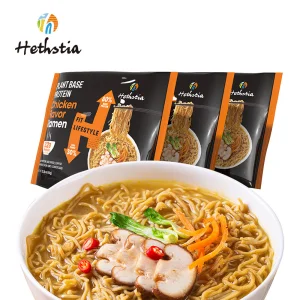
Ethnic food is crossing paths with "Functional Food." We see a rise in high-protein ramen for diabetes management and mood-enhancing functional snacks. This intersection represents the highest Information Gain in the 2024 food sector—solving specific health problems through traditional dietary formats.

"To be a nationally leading and global recognized importer of superior quality food and beverage."
Zhengzhou JETZ Foods Co., Ltd. has established itself as a titan in the ethnic and imported food sector. Operating with a philosophy of Specialization, Standardization, and Internationalization, JETZ bridge the gap between overseas factories and final consumers.
JETZ directly connects with overseas factories, representing prestigious names such as:
Baronia/Donna Vera (IT), Bon Aroma (PL), D’Amico (IT), Develey (DE), Ghigi (CH), Good Morning (IT), Hutesa (ES), Limmi (IT), Martino (IT), Monari Federzoni (IT), Riscossa (IT), Verde Oro (IT).
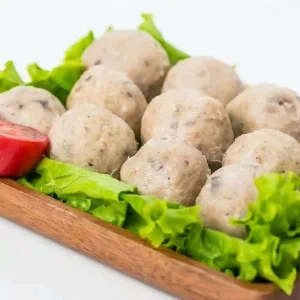
Based in Zhengzhou, the heart of China’s logistics network, manufacturers here leverage the "Belt and Road" initiative and the Zhengzhou-Europe Railway. This ensures that delicate items like frozen stuffed shiitake mushroom balls or prefabricated fast meals reach global markets with 30% less transit time compared to coastal hubs.
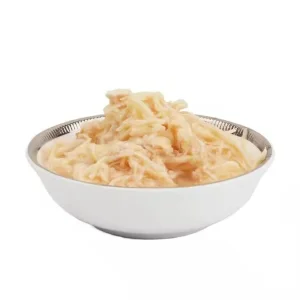
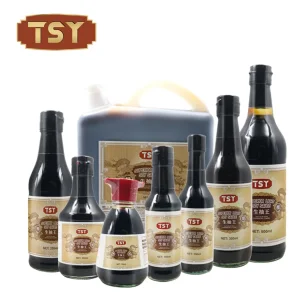
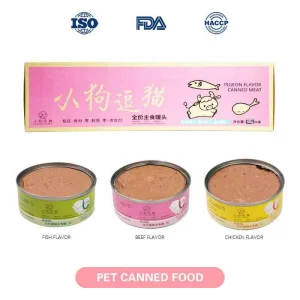
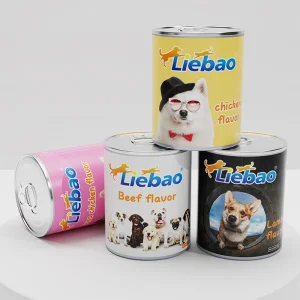
Chinese factories have transitioned from labor-intensive to tech-driven. Automated retort lines for canned cat food and precision-controlled fermentation tanks for light soy sauce allow for massive scale without compromising the "Umami" profile required by ethnic culinary standards.
By integrating raw material sourcing (like non-GMO soybeans for sauce) directly into the manufacturing cluster, Chinese suppliers provide a 15-20% cost advantage, which is passed down to wholesalers and retailers globally.
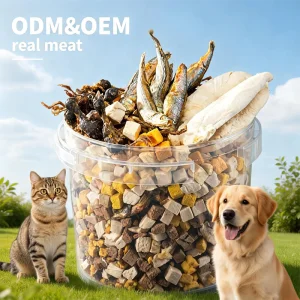
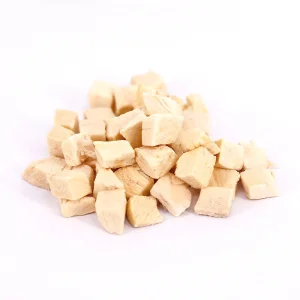
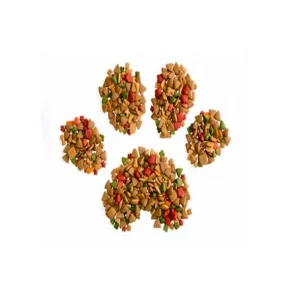
Current focus is on Freeze-Drying (FD) Technology. By removing 98% of water at sub-zero temperatures, products like the "Healthy Pet Freeze Dried Food" maintain 97% of their original nutrients and flavor without preservatives.
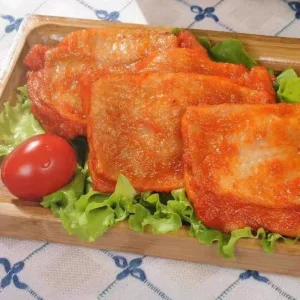
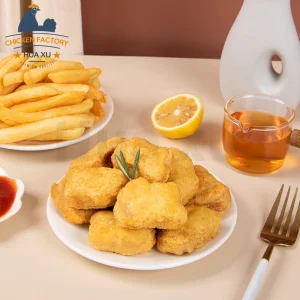
Scaling high-protein vegan fried food. Utilizing textured vegetable protein (TVP) and AI-flavor mimicking to create "Plant-Based Chicken Nuggets" that satisfy both taste and ecological sustainability.
Developing "Diabetes Friendly" and "Cognitive Function Protection" foods. These aren't just meals; they are precision-engineered delivery systems for health, utilizing ethnic ingredients like fermented fungus and specific soybean peptides.
Entering a new market requires more than just good food. Top manufacturers provide a comprehensive compliance ecosystem:
Modifying sodium levels and spice profiles to meet local palate preferences (e.g., European vs. SE Asian soy sauce preferences).
Full support for FDA, EFSA, and GACC regulations. Ensuring all labeling, from "High Protein" to "Low Fat," is legally substantiated.
Switching to sustainable, recyclable materials to comply with strict EU and North American environmental mandates.
 JETZ Foods