A white-paper guide for brand owners, procurement teams, and product developers evaluating custom health supplement manufacturers and factories—covering localized applications, technical roadmaps, China supply-chain resilience, global market conditions, compliance support, and practical FAQ.
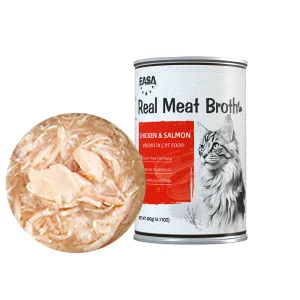
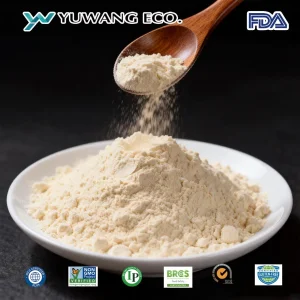
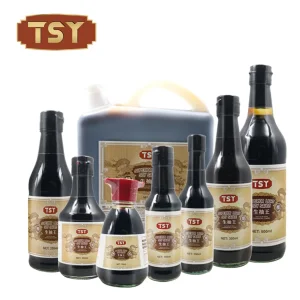
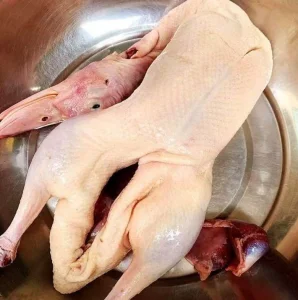
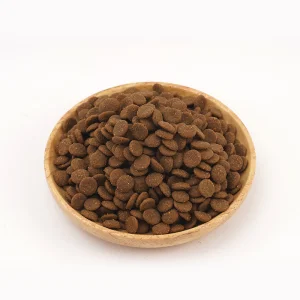
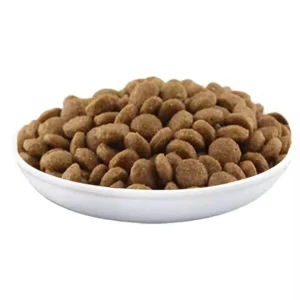
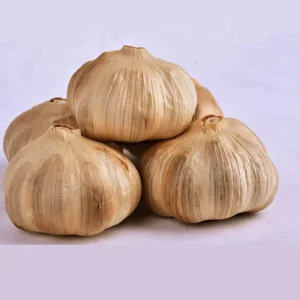
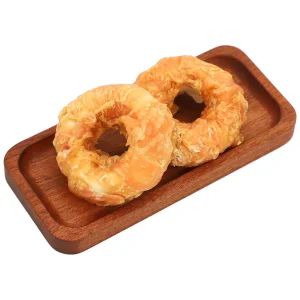
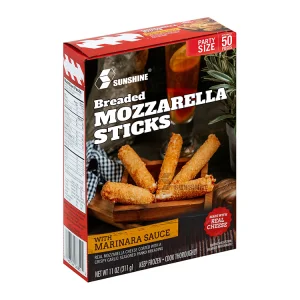
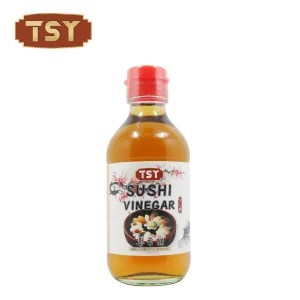
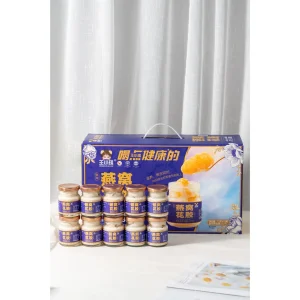
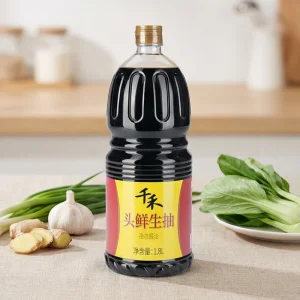
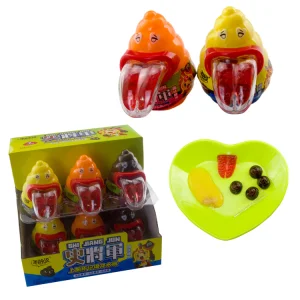
The following eight original product routes show how a modern nutrition supply network connects supplements with food, protein, pet nutrition, shelf-stable formats, and packaging. For buyers evaluating a custom health supplements manufacturer, this breadth is useful because one commercial program often needs multiple production and sourcing routes.
High-intent buyers no longer search only for “supplement manufacturer” or “supplement factory.” They search for clean-label protein systems, low-MOQ gummy production, stability-tested sachet formats, market-specific claims, halal or organic documentation, and a manufacturer that can prove control from ingredient to retail shelf. The winning content must therefore answer commercial, technical, and compliance questions with real operational depth.
Buyers now combine formulation terms, ingredient certifications, packaging formats, regulatory phrases, and country-specific claims in one query. A custom health supplements manufacturer must be discoverable for these long-tail semantic clusters—not only for a short head term.
Information gain: original process data, factory-control examples, application scenarios, and compliance checklists give Google and human raters a reason to treat the page as more than a sales brochure.
Experience is shown through real project workflows, not adjectives. Expertise is shown through dosage rationale, stability logic, and analytical methods. Authoritativeness is shown through factory networks, documentation discipline, and supply-chain transparency. Trust is shown through clear limits, market-specific caveats, and consistent product data.
For supplement factories, traceability, test reports, label review, and audit preparation are trust assets—not back-office details.
A finished supplement may require ingredient sourcing, encapsulation, gummy or powder production, packaging, labeling, stability testing, and export documentation. That is why supply-chain orchestration matters as much as unit price.
The broader portfolio shown on this page—functional food, protein isolates, pet nutrition, and packaging—illustrates how adjacent product routes can support a single brand platform across multiple channels.
The global nutrition market continues to expand across sports nutrition, healthy aging, gut health, women’s health, immune support, pediatric nutrition, and pet supplements. At the same time, regulatory expectations are becoming more granular: claims must be substantiated, labels must be localized, ingredients may require novel-food or registration review, and buyers increasingly ask for evidence before samples.
An illustrative snapshot of how localization questions differ across buyer briefs. Actual demand varies by channel, product format, and regulatory pathway.
Sports nutrition, weight management, cognitive support, sleep, and immune products remain active. Buyers often ask for cGMP readiness, facility registration, label review, allergen control, and substantiation files. Clean-label and low-sugar gummy formats continue to grow.
EFSA-compliant claims, novel-food screening, sustainability expectations, and detailed additive rules shape product design. Non-GMO, organic, vegan, and recyclable-packaging requests are common. Documentation quality often influences supplier selection as much as price.
Halal assurance, Arabic labeling, heat-stable formats, and import-documentation accuracy are central. Demand is diverse across gummies, capsules, sachets, sports powders, and family nutrition. Localization support should include certificate coordination and market-specific claims review.
Tropical logistics, humidity stability, competitive pricing, and channel diversity matter. Product formats may need smaller packs, stronger sensory profiles, and local-language labels. E-commerce launch speed often rewards suppliers that can support flexible MOQs and rapid iteration.
Localization is not translation. It is the alignment of formulation, dose, serving size, taste, packaging, claims, and price architecture with a specific market and channel. Below are six practical application scenarios that commonly shape briefs for custom health supplements manufacturers and factories.
North American and European buyers often request protein powders, creatine blends, electrolyte sticks, recovery gummies, and ready-to-mix formats. Key variables include taste masking, dissolution, scoop density, amino-acid profile, banned-substance controls, and packaging compatibility with high-humidity climates.
Collagen, biotin, iron, folate, botanical blends, and skin-support concepts require careful sensory design and claim discipline. Asia-Pacific markets may favor sachets, stick packs, and premium gifting, while Western markets often emphasize clean-label decks, vegan capsules, and clinically supported ingredients.
Probiotics, prebiotics, postbiotics, zinc, vitamin C, and botanical formulas demand stability and moisture control. Buyers should define strain identity, CFU over shelf life, water activity, packaging barrier, and label-claim support before comparing factory quotations.
Glucosamine, chondroitin, collagen peptides, calcium, vitamin D, curcumin, and omega-3 concepts fit aging populations in Japan, China, Europe, and North America. Localization includes dose expectations, tablet size, swallowability, and medical-food or health-food regulatory pathways.
Family-oriented formats often require taste, color, allergen, and dosing controls. Gummies, chewables, powders, and sachets must be designed for real household use. Labels need clear age guidance, warnings, and language review for each destination market.
Pet humanization has created demand for joint, skin, coat, digestive, and weight-management products. Food-adjacent routes such as protein isolates, functional food, wet pet food, and treats can support cross-category brands. Suppliers must separate feed/pet regulations from human supplement rules.
A credible custom health supplements manufacturer should be able to explain the sequence of decisions that turns a commercial idea into a stable, compliant, repeatable product. The roadmap below also highlights future-facing capabilities that will separate transactional factories from strategic manufacturing partners.
Define the target market, channel, consumer, price band, serving occasion, claims strategy, and regulatory pathway. The output should be a product brief with non-negotiable requirements and a list of open technical questions.
Select active ingredients, overages, carriers, sweeteners, flavors, and excipients. Confirm compatibility, target dose, daily serving, label rounding, and claim support. Avoid designing a formula that cannot be manufactured at the intended scale.
Review specifications, allergen statements, country-of-origin documents, certificates, and non-GMO or organic status where relevant. Clean label is an evidence chain, not a marketing phrase.
Produce a pilot batch to test flowability, blending uniformity, encapsulation, gummy texture, powder dispersion, taste, and appearance. Analytical testing confirms identity, potency, micro quality, and key process parameters.
Run stability protocols under relevant temperature and humidity conditions. Test packaging barriers, closures, stick-pack seals, gummy migration, tablet friability, and label adhesion. Sensory testing should include aftertaste and repeat-use acceptability.
Lock the bill of materials, batch record, quality-control plan, label version, packaging specification, and release criteria. Define change-control rules before the first commercial shipment to protect future consistency.
Formulation teams will increasingly use data models to screen ingredient interactions, predict sensory issues, and accelerate literature review. Human expert review remains essential for safety, regulatory claims, and commercial feasibility.
Personalized nutrition, low-MOQ variety, and subscription-driven formats will pressure factories to manage smaller batches without losing consistency. Modular formulations, digital batch records, and rapid changeover will become competitive advantages.
Recyclable packaging, lower-energy processing, supplier traceability, and QR-linked batch documentation are moving from differentiation to expectation. A future-ready factory should be able to connect ingredient lots, test results, and finished-goods release data.
China’s advantage is not simply cost. It is the density of ingredient suppliers, equipment vendors, packaging printers, analytical laboratories, and export service providers within connected industrial clusters. For custom health supplements, that density can shorten development cycles, improve component availability, and support rapid iteration across formats.
Vitamins, minerals, botanicals, proteins, sweeteners, flavors, and packaging materials can often be sourced through mature regional networks. This reduces coordination friction when a project requires multiple components with different lead times.
Factories can support capsules, tablets, powders, gummies, sachets, stick packs, and ready-to-mix formats through specialized lines. Flexible MOQ discussions and packaging options help brands test markets before committing to full-scale volume.
Supplier qualification, incoming inspection, in-process checks, finished-product testing, and batch traceability form the backbone of factory credibility. Buyers should review test scopes, instrument calibration, deviation handling, and corrective-action records.
Commercial invoice, packing list, certificate of origin, health certificates, ingredient statements, allergen declarations, and carrier documentation must align with destination requirements. Port access and freight consolidation can improve speed and predictability.
Dense supplier networks allow faster sampling, reformulation, and packaging trials. For e-commerce brands and emerging categories, the ability to run multiple small iterations can be more valuable than a marginal unit-cost reduction.
Resilience comes from qualified alternatives, safety stock strategies, supplier scorecards, and transparent lead-time tracking. A factory that can document contingency plans is better prepared for raw-material volatility and shipping disruption.
Compliance is a design input, not a final checkpoint. Custom health supplement projects should build labeling, claims, testing, and import documentation into the product brief from the beginning. The following six support areas help reduce launch risk and improve communication between buyers and factories.
Translate and adapt product names, ingredient lists, allergen statements, warnings, recommended use, storage conditions, and marketing claims. Claims should be checked against the destination market’s permitted wording and substantiation requirements.
Coordinate certificates requested by buyers, including quality-management, organic, halal, kosher, non-GMO, vegan, or market-specific documentation where applicable. Certificates must match the actual product, line, and supplier scope.
Define identity, potency, microbiology, heavy metals, moisture, dissolution, texture, and stability tests based on the format and market. Retain samples and batch records to support future investigations or renewals.
Align product description, HS code classification, ingredient names, declared value, and certification package with the importer. Documentation errors can delay shipments even when the product itself is compliant.
Adapt carton size, label language, serving count, bundle configuration, and packaging material to local retail or e-commerce needs. Commercial localization can improve shelf velocity as much as formula innovation.
Clear English communication, document version control, sample tracking, and responsive issue resolution are part of compliance assurance. Post-market feedback should feed into complaint review, change control, and future reformulation.
This white paper is for general business and technical education. It is not legal, medical, or regulatory advice. Final compliance responsibilities should be confirmed with qualified local counsel and market specialists.

01. Imported food wholesale and retail business.
02. Supply chain network.
03. Fourteen brands and five self-owned brands.
04. Unique sales channels.
To cater to the ever-changing new business model and to move towards "specialization, standardizatioJETZn and internationalization", JETZ always insists on finding high-quality new products in Europe, America, the Middle East, and Southeast Asia for customers and the market. JETZ aims to supply with the most comprehensive products.
JETZ directly connects with the overseas factories, the domestic representation agents and distributors to form a mutually beneficial strategic alliance and uses a complete supply chain network to deliver products directly to final consumers, providing customers with one-stop service.
Abandoning the traditional B2C model, JETZ built its own B2B direct sales channels. While further expanding its own diversified sales channels, JETZ effectively avoided conflicts with the licensed brands’ internal sales, marketing, and channel adjustments, strengthened licensed brands’ market operations, and ultimately promoted the market growth.
These questions reflect common procurement, formulation, and localization issues raised by brand owners comparing custom health supplements manufacturers and factories.
A custom manufacturer turns a product brief into a manufacturable formula, validates the formula through pilot batches and testing, sources ingredients, produces finished goods, applies packaging and labels, and prepares release documentation. The strongest partners also support localization, claim review, stability planning, and change control.
Request batch records, certificate scopes, analytical test reports, supplier qualification procedures, deviation handling, recall procedures, allergen controls, and a sample traceability walk-through. Compare documents across multiple lots and verify that the certificate, product, and production line actually match.
Yes. Localization may adjust dosage, sweeteners, flavors, color, capsule material, serving size, packaging barrier, claims wording, and label language. The formula should be reviewed against the destination market’s regulatory framework before commercial production begins.
MOQ and lead time depend on format, packaging, ingredient lead times, testing scope, and line scheduling. Gummies, stick packs, and capsules may have different minimums. A realistic quote should separate pilot batch time, stability time, packaging procurement, production, and shipping.
Start with the destination market’s permitted claims and required warnings, then verify ingredient names, serving sizes, allergen statements, and substantiation. The brand owner should retain final legal responsibility, while the factory and localization partner support document alignment and label version control.
China offers dense ingredient and packaging clusters, multi-format production capacity, experienced export logistics, and competitive development speed. For buyers, the key is to combine cost efficiency with audit discipline, clear specifications, multilingual communication, and market-specific compliance planning.
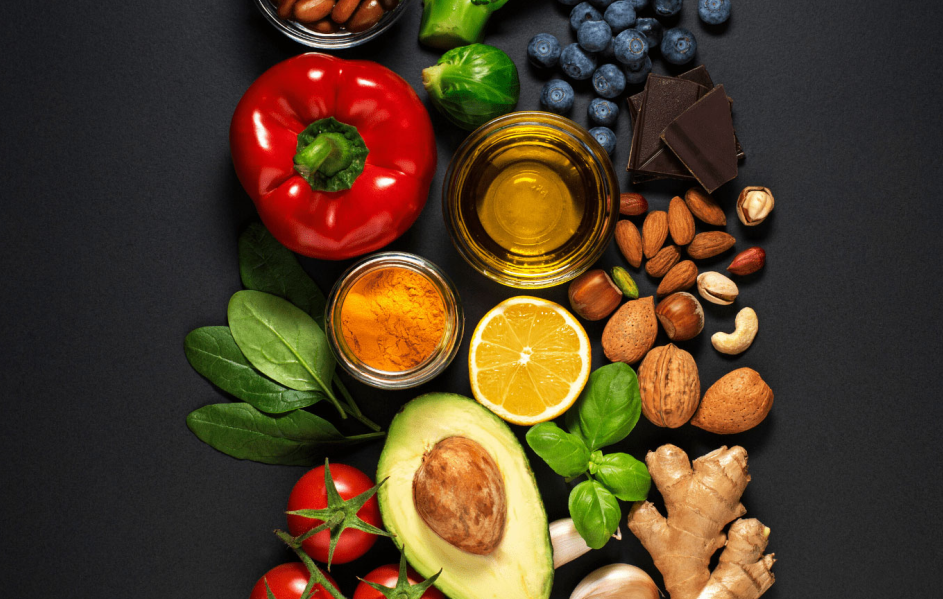
The final portfolio set shows further food, pet nutrition, functional food, feed ingredient, canned nutrition, condiment, packaging, and confectionery routes that may support a broader commercial program around custom health supplements manufacturing.
 JETZ Foods