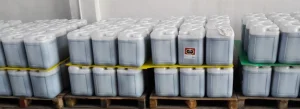
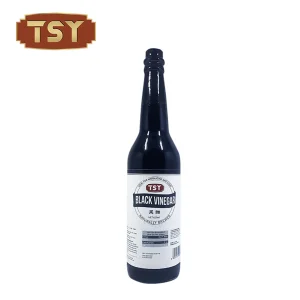
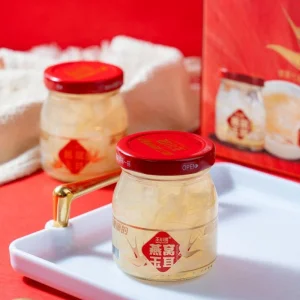
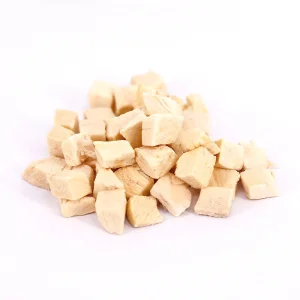
Explore our certified manufacturing output—ensuring strict quality controls, trace allergen prevention, and international logistics integration.
Understanding shifting consumer demands, allergen legislation, and structural market adjustments.
Increasing global diagnoses of peanut and tree nut hypersensitivity have prompted strict regulatory actions. Global guidelines, such as FDA's FALCPA and the European Union Food Information Regulation 1169/2011, demand distinct allergen declarations and dedicated facilities to avoid cross-contact.
Supply chain transparency is essential. B2B buyers now seek suppliers offering comprehensive testing and batch trace data. Advanced factories use ELISA and PCR testing protocols to ensure products are completely allergen-free.
The clean label movement emphasizes simplified ingredient decks. Nut-free snacks must deliver taste and nutrition using simple, recognizable ingredients. Plant-based protein alternatives and natural preservatives are transforming global retail portfolios.
"To be a nationally leading and globally recognized importer and exporter of superior quality food and beverage."
To address changing commercial landscapes and to advance toward "specialization, standardization, and internationalization", JETZ focuses on sourcing high-quality products across Europe, the Americas, the Middle East, and Southeast Asia. We support the global market by offering a comprehensive product portfolio backed by strict quality controls.
By working directly with overseas production centers, authorized agents, and key distributors, JETZ establishes strategic partnerships. Our integrated logistics network ensures efficient delivery from factory floor to end consumer, providing a reliable, one-stop sourcing solution.

Optimized supply chains bypassing traditional retail friction points.
By moving beyond standard B2C models, JETZ has developed specialized B2B direct channels. This approach reduces channel conflict with licensed brands' internal distribution networks, strengthens localized operations, and supports long-term market growth.
In production, we leverage advanced machinery, including automatic sorting systems, cleanroom environments, and automated packaging lines. This allows us to scale production efficiently while meeting strict allergen controls.
How nut-free and trace-controlled food products serve institutional, retail, and commercial channels.
Global airlines enforce strict peanut and tree-nut restriction policies to prevent in-flight allergic emergencies. Providing pre-packaged, trace-certified nut-free snacks is crucial for passenger safety and compliance with international travel standards.
K-12 schools, childcare centers, and after-school programs are increasingly adopting nut-free policies. Public and private institutions require certified wholesale suppliers to support safe, clean-label daily meal and snack programs.
Supermarkets and health food brands expand their allergen-free portfolios via OEM partnerships. Working with certified factories allows brands to scale production with minimal cross-contamination risks.
Manufacturing high-quality, allergen-free food requires rigorous control at every stage. Leading export factories address allergen risks through systematic facility design, dedicated production lines, and structured supplier validation protocols.
Every incoming batch of ingredients undergoes validation. Suppliers must provide certificates of analysis verifying the absence of peanut, tree nut, and other target allergen contaminants. Ingredients are stored in designated areas with clear labeling to prevent cross-contamination.
To prevent cross-contact, factories use dedicated production lines for allergen-free formulations. Modern facilities employ positive-pressure air systems with HEPA filtration to eliminate airborne residue, alongside strict sanitation procedures between runs.
Quality control teams perform regular testing at multiple stages of production:
JETZ's manufacturing network maintains key global certifications, supporting compliance with international standards:
Detailed answers to key operational, compliance, and supply chain questions from global procurement directors.
Explore our complete product catalog—spanning specialized nutrition, pantry staples, and bulk ingredients for global distribution.
 JETZ Foods