Premium functional proteins, ingredients, and customized formulations designed for global B2B supply channels.

Analyzing key commercial vectors driving B2B sourcing decisions, technological advancements, and clean-label shifts.
Global formulation is shifting from simple protein content to biological value metrics. R&D managers prioritize ingredients achieving high Protein Digestibility-Corrected Amino Acid Scores (PDCAAS). Sourcing pea, soy, and wheat isolates with balanced essential amino acids is now a standard metric for major sports nutrition and functional food manufacturers.
Industrial food processors face immense consumer pressure to eliminate artificial stabilizers and additives. Plant-based proteins are no longer just macronutrients; they are functional hydrocolloids. Sourcing premium texturized vegetable proteins (TVP) with natural water-binding and fat-emulsification properties eliminates the need for methylcellulose, creating clean-label profiles.
The technological frontier is dominated by HMEC. Unlike dry extrusion, HMEC processes moisture levels up to 70%, yielding plant proteins with a fibrous structure indistinguishable from animal muscle tissue. Sourcing partners must offer advanced processing lines capable of precise thermal controls to secure consistent texture and bite profile.
For multinational food brands, functional drink manufacturers, and retail supply chains, selecting a plant-based protein supplier is not merely a transaction; it is a critical risk-management decision. Procurement divisions must balance price stability with complex regulatory and technical parameters.

Modern plant-based protein factories in China have embraced Factory 4.0 frameworks. Through digitized production lines, automated raw material tracking, and precision fractionation systems, Chinese factories offer unparalleled scale, quality consistency, and cost-efficiency.
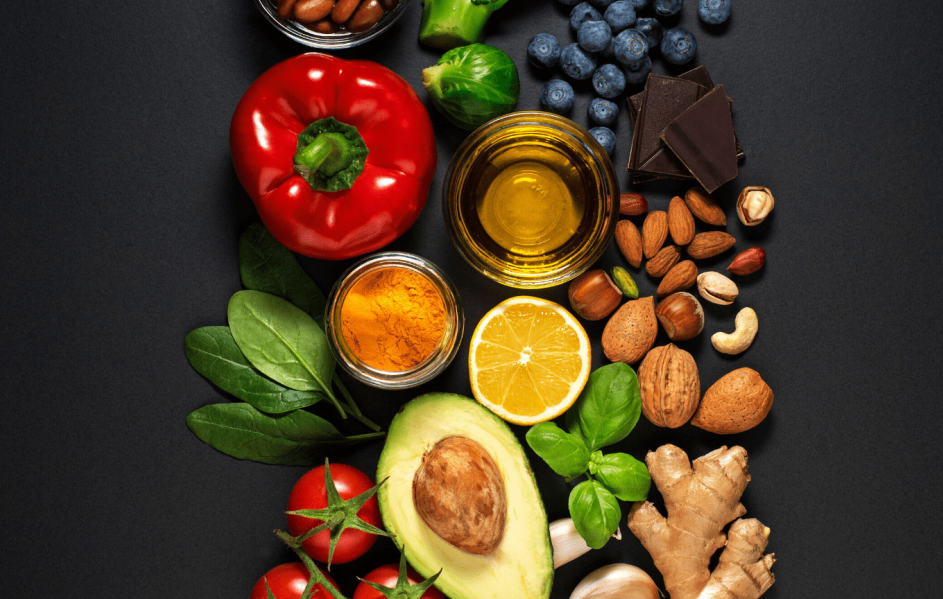
Zhengzhou JETZ Foods Co., Ltd.: Driving internationalization, supply integrity, and specialized global distribution channels.
To cater to the ever-changing new business model and to move towards "specialization, standardization, and internationalization", JETZ always insists on finding high-quality new products in Europe, America, the Middle East, and Southeast Asia for customers and the market. JETZ aims to supply with the most comprehensive products, integrating international standards with efficient local delivery channels.
Direct connection with global source manufacturers and local distribution hubs to maintain price parity.
Direct connection with overseas factories, agents, and local distributors to construct a strategic logistics alliance.
Fourteen imported brands and five self-owned brands catering to premium wellness, pasta, and nutrition segments.
By bypassing traditional B2C models, JETZ built its dedicated B2B direct sales channels. This strategy effectively avoids conflicts with licensed brands' internal sales, marketing, and channel adjustments, while stabilizing local supply operations and expanding market reach.
Adapting alternative proteins and functional ingredients for high-value food and wellness categories.
Developing high-protein powders and customized mineral premixes requires excellent solubility and heat-stable suspension profiles. High-purity pea and rice protein isolates blend seamlessly with mineral carriers without precipitation.
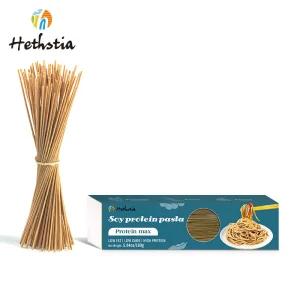
Alternative pasta production leverages plant proteins (primarily gluten and soy) to mimic the bite and cooking properties of durum semolina. High-protein, low-carb options provide essential options for ketogenic, diabetic, and health-conscious consumer segments.
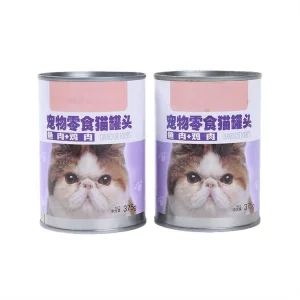
The premium pet food category requires high-protein raw materials to optimize nutrition density. High-protein plant isolates combined with freeze-dried meat bases provide balanced, hypoallergenic pet snacks and wet food formulations.
Direct answers regarding technical capabilities, logistics, international standards, and supply security.
Standard delivery from domestic port hubs ranges between 7 to 14 business days, whereas direct global factory-to-port logistics timelines typically fall between 30 to 45 days. High-volume contracts utilize scheduled rolling shipments to avoid supply gaps.
Advanced suppliers employ proprietary washing methods and mild temperature separation procedures. Thermal flash evaporation removes volatile aldehydes responsible for earthy aromas, leaving a neutral flavor carrier.
Yes. Every single batch is verified by ISO-certified third-party laboratories. COAs cover chemical specs like protein content, heavy metals, microbial assays, and particle distribution levels.
WAC measures the amount of water a protein matrix can retain. High WAC (1:4 or 1:5 ratios) improves product juiciness, increases batch yields, and reduces formulation ingredient costs.
Supporting clean-label, keto-friendly, functional foods, and bulk therapeutic formulas.
 JETZ Foods