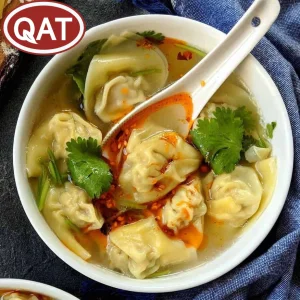
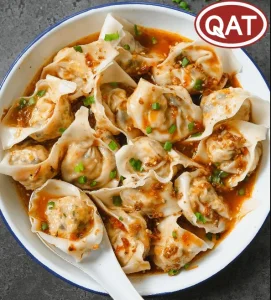
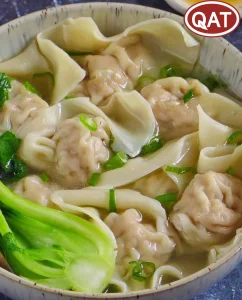
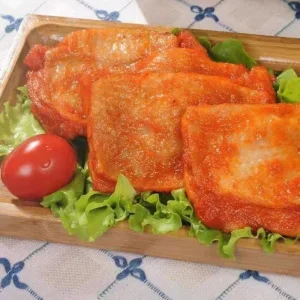
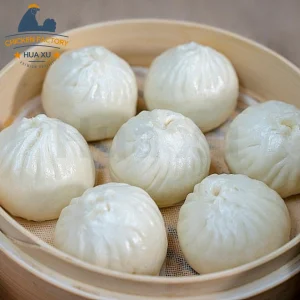
The first four products in the range illustrate how convenience, familiar taste profiles and freezer-to-table speed can be adapted to the Novosibirsk market. These items retain their original product URLs and are positioned for retail, HoReCa and private-label evaluation.
Novosibirsk is not simply another regional city. It is the largest city in Asian Russia, the administrative centre of the Siberian Federal District, a major science and education hub, and a critical logistics node on the Trans-Siberian railway corridor. Tolmachevo Airport and the surrounding road network connect the city to European Russia, Central Asia, China and the Russian Far East. For frozen food businesses, this combination creates a powerful test-bed: a large urban consumer base, a growing modern retail sector and a wide distribution catchment that extends far beyond the city boundary.
The commercial opportunity is reinforced by several structural conditions. Long distances and severe winter peaks reward products with stable frozen shelf life. Retail chains continue to expand private-label programmes. HoReCa operators, dark kitchens and quick-commerce platforms need portion-controlled, fast-reheat menu components. Institutional catering and remote-supply channels require reliable food safety and predictable preparation times. At the same time, local food manufacturers face pressure to improve automation, energy efficiency and packaging differentiation while meeting Eurasian Economic Union requirements.
The industrial gap is not demand; it is localization depth. Novosibirsk already has food processing, cold storage and distribution capabilities, yet the market still benefits from suppliers who can connect ready meal formulation, blast freezing, packaging, labelling, traceability and import documentation into one operating system. That is the strategic space for a factory and supplier programme built around frozen ready meals, IQF ingredients, halal proteins, CPET trays, printed packaging and spiral freezing equipment.
Above figures are planning assumptions and market-design indicators, not audited statistics. They are intended to support commercial and technical due diligence.
Globally, frozen ready meals have moved from a low-differentiation commodity category to a manufacturing discipline built around convenience, food safety, labour productivity and sustainability. Demand is being shaped by urban lifestyles, smaller households, longer commuting patterns, foodservice labour shortages and the need to reduce kitchen complexity. Retailers are using frozen ready meals to support value, premium, health-oriented and ethnic-flavour tiers. Foodservice operators are using them to stabilise portion cost, reduce waste and shorten preparation time.
The industrial response is equally clear. Leading factories invest in IQF lines, spiral tunnel blast freezers, automated filling and sealing, metal detection, X-ray inspection, check-weighing, leak testing and batch-level traceability. Packaging has shifted toward CPET and PP trays, high-barrier films, recyclable mono-materials and compostable alternatives where infrastructure allows. Formulation teams are balancing sodium reduction, clean-label expectations, protein content, texture retention after reheating and cooking-loss control. Cold-chain operators are deploying IoT temperature loggers, route optimisation and predictive maintenance to protect quality from factory gate to final delivery.
For the Novosibirsk market, the most relevant global lesson is that a product list is not a supply chain. A competitive offer must combine SKU selection, freezing capacity, packaging compatibility, regulatory documentation, shelf-life validation and local distribution support. This is where a supplier with import experience, brand relationships and B2B channel understanding adds measurable information gain. Zhengzhou JETZ Foods Co., Ltd., with its imported food wholesale and retail experience, supply chain network and licensed-brand portfolio, is positioned to connect global product sourcing with local market execution.
Fragmented sourcing, limited frozen consistency, generic packaging, weak label localisation and reactive cold-chain management. Product availability can be strong, but the total landed offer is difficult for retailers and foodservice buyers to scale.
Portfolio architecture, validated freezing curves, private-label packaging, EAEU-ready documentation, traceability, batch control and distribution planning. The supplier behaves as an industrial partner, not only as a trading intermediary.
A successful frozen ready meal programme for Novosibirsk should be designed as a stack of six connected layers. Each layer reduces commercial risk while increasing the usefulness of the offer for distributors, retailers and foodservice operators.
Prioritise a compact launch portfolio: core ready meals, quick-reheat snacks, halal proteins, IQF vegetable components and packaging formats that support local private label. Avoid SKU sprawl before repeat-purchase data is available.
Compare direct export, rail-linked replenishment and local co-packing. The right model depends on shelf life, order frequency, minimum batch size, inventory carrying cost and the buyer’s cash-cycle requirements.
Align CPET trays, stand-up pouches, printed bags and compostable boxes with freezer performance, retail presentation and Russian-language labelling. Packaging is a compliance asset, not only a marketing surface.
Prepare EAEU technical regulation dossiers, EAC marking, Russian-language labels, veterinary or phytosanitary documentation where relevant, and traceability records before commercial launch.
Define temperature profiles, loading patterns, door-opening exposure, buffer stock rules and receiving checks. Validate shelf life using realistic distribution conditions rather than laboratory assumptions alone.
Use batch IDs, temperature logs, complaint codes and sell-through data to improve forecasting, reduce write-offs and identify which SKUs deserve local production investment.
Frozen ready meal quality is determined long before the retail freezer. The industrial solution starts with formulation and portioning, continues through rapid freezing and protective packaging, and ends with disciplined cold-chain execution. For Novosibirsk, the most practical model is a modular roadmap: begin with market validation and co-packing, then add local blast freezing, automated packaging and smart traceability as volumes justify investment.
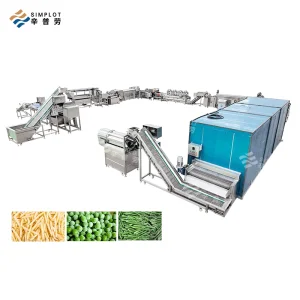
Double spiral tunnel blast freezers are especially relevant for dumplings, baozi, ready meals, bread and pancakes because they combine continuous throughput with consistent freezing curves. IQF technology protects vegetable integrity and flowability for blends used in ready meals and foodservice. CPET trays support ovenable and microwave-friendly ready meal formats, while printed packaging bags and stand-up pouches create private-label flexibility for meat, seafood, rice, seasoning and instant meal applications. Compostable and cardboard packaging options can support supermarket sustainability programmes where waste infrastructure is available.
The indicators below are illustrative operating targets for project design, not audited performance claims.
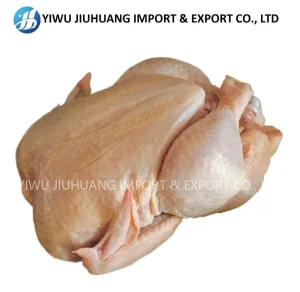
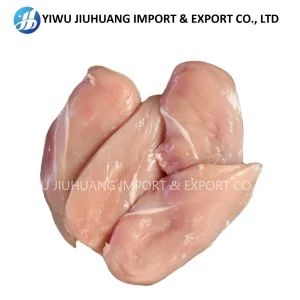
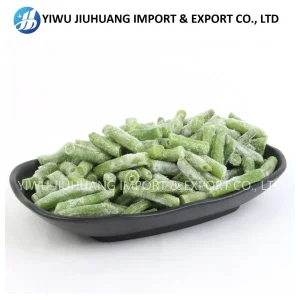
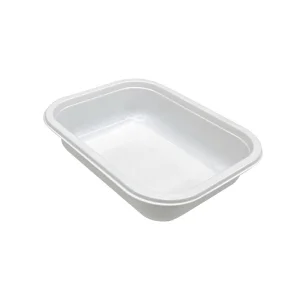
These four products represent the industrial backbone of many ready meal programmes: halal-certified chicken, boneless breast meat, IQF green beans and CPET ready meal trays. They can support retail ready meals, foodservice portioning, private-label development and local co-packing.
Food products entering the Novosibirsk market must align with Eurasian Economic Union rules and Russian market expectations. The exact documentation depends on the product composition, processing method, packaging and claims. A frozen meat ready meal, a vegetable blend, a packaging tray and a processing machine do not follow the same conformity path. The practical solution is to build a compliance dossier before the first shipment, not after the first purchase order.
At a minimum, food products should be reviewed against TR CU 021/2011 on food safety, TR CU 022/2011 on food labelling and applicable packaging safety requirements. Meat and poultry products may require veterinary certification and establishment listing. Plant-based ingredients may require phytosanitary documentation. Labels must be available in Russian, with mandatory information, storage conditions, manufacturer details, importer details and EAC marking where applicable. Exporters should also prepare HACCP, ISO 22000, BRCGS, IFS or FSSC 22000 evidence where buyers require it. Halal certificates can support specific retail and foodservice channels, particularly where the buyer has a targeted assortment strategy.
The strongest compliance model is a three-way review among the factory, the importer of record and a local certification partner. This prevents translation errors, claims that cannot be substantiated, incorrect storage statements and packaging failures that only become visible during retail inspection. It also improves speed when a Novosibirsk distributor requests samples, label drafts, shelf-life data or traceability evidence.
This content is a commercial and technical planning guide. Final import, labelling and certification decisions should be validated with qualified local regulatory specialists and the importer of record.
Ready meals, dumplings, baozi and IQF components can support value, premium and ethnic-flavour tiers. Private-label packaging, clear reheating instructions and reliable shelf life are essential for repeat purchase.
Portion-controlled proteins, semi-finished chicken and ready-to-cook staples help restaurants and delivery kitchens stabilise prep time, labour cost and menu consistency during peak hours.
Single-serve ready meals and heat-and-serve snacks fit rapid delivery catalogues. Packaging must protect product integrity during repeated handling and short-notice order fulfilment.
Schools, workplaces and healthcare catering can use frozen components to standardise nutrition, portion size and preparation safety, subject to local procurement rules and label requirements.
Frozen ready meals are well suited to long-distance supply where shelf life, robust packaging and temperature control matter more than chilled distribution speed.
Printed bags, stand-up pouches, compostable boxes and CPET trays can build a coherent brand system across retail, marketplace and direct-to-consumer frozen ranges.
The most defensible investment sequence is not “build first, sell later.” It is a staged route map that links market evidence, product validation and capital expenditure. The following four phases are designed for a supplier, distributor or local manufacturer evaluating Novosibirsk as a production and distribution base.
Audit target channels, price bands, freezer space, packaging formats, import documentation and competitor assortment. Define three to five pilot SKUs and a compliance checklist before sampling.
Adapt seasoning, portion size, reheat instructions and packaging for Russian-language retail. Validate shelf life, transport tolerance and buyer feedback with a controlled launch.
Add blast freezing, packing and labelling capacity through a local partner or modular line. Use double spiral freezing and IQF inputs to improve throughput and product consistency.
Introduce IoT temperature monitoring, automated inspection, predictive maintenance, energy recovery and digital traceability. Connect production data with distributor sell-through and complaint analytics.
Looking toward 2030, the likely winners in the Novosibirsk frozen food market will combine industrial reliability with local commercial agility. AI-assisted visual inspection can improve defect detection on dumplings, baozi and tray meals. Predictive maintenance can reduce freezer downtime. Digital product passports and batch-level traceability can simplify audits and retailer onboarding. Low-GWP refrigeration, heat recovery and recyclable mono-material packaging can lower operating costs and support sustainability claims. Rail, road and air cargo combinations may also allow suppliers to balance landed cost against replenishment speed.
The future outlook is therefore not only about more automation. It is about sequenced automation, validated compliance and channel-specific product design. A supplier that can document freezing curves, provide packaging options, support Russian label engineering and connect with local distribution partners will have a clear advantage over a supplier that offers only a price list.

01. Imported food wholesale and retail business.
02. Supply chain network.
03. Fourteen brands and five self-owned brands.
04. Unique sales channels.
To cater to the ever-changing new business model and to move towards “specialization, standardization and internationalization”, JETZ always insists on finding high-quality new products in Europe, America, the Middle East, and Southeast Asia for customers and the market. JETZ aims to supply with the most comprehensive products.
JETZ directly connects with the overseas factories, the domestic representation agents and distributors to form a mutually beneficial strategic alliance and uses a complete supply chain network to deliver products directly to final consumers, providing customers with one-stop service.
This operating model is directly relevant to the Novosibirsk market because it combines import experience, supplier relationships, brand coordination and B2B channel execution. For frozen ready meals, that means the project can be evaluated not only as a product purchase, but as a route to shelf, a route to menu and a route to private-label development.
Abandoning the traditional B2C model, JETZ built its own B2B direct sales channels. While further expanding its own diversified sales channels, JETZ effectively avoided conflicts with the licensed brands’ internal sales, marketing, and channel adjustments, strengthened licensed brands’ market operations, and ultimately promoted the market growth.
Novosibirsk combines a large urban consumer base, a major rail and air logistics position, an expanding modern retail sector and a wide catchment across Siberia. Frozen ready meals offer convenience, long shelf life and portion consistency, which fit retail, HoReCa and remote-supply channels.
Yes. Private-label development should define product formulation, portion size, packaging format, Russian-language label content, shelf-life validation and target price band. CPET trays, printed bags, stand-up pouches and compostable boxes can all be adapted to a private-label programme, subject to packaging and regulatory checks.
Food products should be reviewed against applicable EAEU technical regulations, including food safety, labelling and packaging requirements. Meat and poultry may require veterinary documentation; plant ingredients may require phytosanitary documentation. Russian-language labels, EAC marking, HACCP and traceability records are typical buyer expectations. Final requirements should be confirmed with a qualified local regulatory specialist.
The decision depends on shelf life, order frequency, minimum batch size, capital availability, packaging complexity and cold-chain cost. Many projects start with export and local distribution, then move to co-packing or modular blast freezing as demand becomes visible and repeatable.
IQF vegetables preserve texture, colour and flowability, which helps portion control and reduces waste. Blast freezing creates small ice crystals and protects product quality. For dumplings, baozi, ready meals and bakery items, consistent freezing curves directly affect taste, yield and shelf life.
Halal certification can support specific retail, foodservice and distribution channels where buyers target halal or broader ethical-assortment programmes. It should be treated as a product and compliance feature, not as a substitute for the required EAEU food safety and labelling checks.
CPET trays suit ovenable and microwave-friendly ready meals. Printed frozen food bags and stand-up pouches support meat, seafood, rice, seasoning and instant meal packaging. Compostable or cardboard boxes can support supermarket sustainability programmes where local waste infrastructure and buyer requirements align.
Request product specifications, freezing curves, shelf-life data, certification evidence, traceability examples, packaging samples, label drafts and references relevant to similar markets. A factory audit, sample validation and documented corrective-action process provide stronger assurance than a price list alone.
Discuss ready meal SKUs, halal proteins, IQF ingredients, CPET trays, printed packaging or spiral freezing equipment with the JETZ team. We support product selection, packaging direction and export documentation planning.
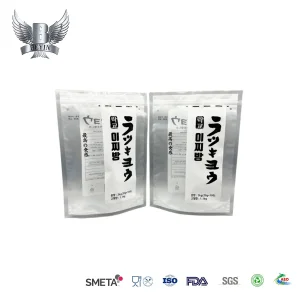
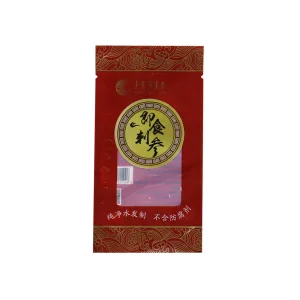
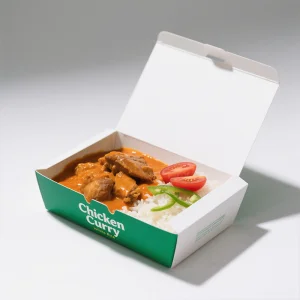
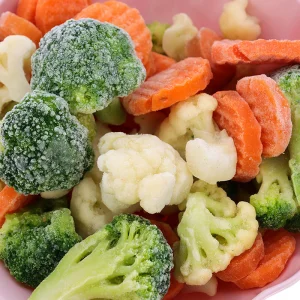
The final eight products complete the industrial picture: heat-and-serve staples, private-label packaging, compostable boxes, spiral blast freezing equipment and IQF vegetable blends. Each product retains its original URL for direct inquiry and technical review.
 JETZ Foods