
The food processing and agricultural supply chains in Equatorial Guinea (spanning both the insular region of Malabo and the continental territory of Bata) are undergoing an unprecedented structural transition. Traditionally dependent on hydrocarbon exports, the nation’s macroeconomic directives are now aggressively pushing for import substitution, cold-chain dependency mitigation, and advanced biological preservation of food supplies. High-humidity tropical climates present persistent challenges to standard food preservation, driving a critical surge in the market requirement for scientifically formulated fermented food products and probiotic additives.
Fermentation is no longer viewed merely as an ancient preservation technique. Today, in the context of the Central African Economic and Monetary Community (CEMAC), it represents a high-technology solution to food security, gastrointestinal health optimization, and livestock nutritional scaling. High-viability lactic acid bacteria (LAB) strains, fermented condiments, and enzyme-active organic additives provide a strategic bridge to bypass infrastructure bottlenecks. Zhengzhou JETZ Foods Co., Ltd. stands at the forefront of this biological revolution, providing robust export capacities, certified factory processes, and tailor-made logistics frameworks optimized for West African ports.
Key Market Insight: Equatorial Guinea’s tropical environment, characterized by high relative humidity and warm average temperatures, accelerates microbial spoilage. Biologically active fermented products naturally resist pathogenetic contamination, allowing longer ambient storage times and significantly reducing spoilage losses for importers and wholesale distributors.
Wholesale buyers, veterinary supply distributors, and grocery chains within Malabo and Bata demand products that adhere strictly to international sanitary standards. The regulatory environment enforced by the Ministry of Agriculture, Livestock and Rural Development of Equatorial Guinea, alongside CEMAC unified standards, demands rigorous documentation, including phytosanitary certificates, certificates of origin, and comprehensive microbiological assays.
Globally sourced fermented food bases and animal feeds must possess thermal resilience. The thermal degradation curve of probiotics dictates that standard microbial additives fail within weeks under typical equatorial logistics profiles. In response, JETZ Foods utilizes advanced micro-encapsulation and freeze-drying technologies for its biological strains, ensuring that key bacteria such as Pediococcus acidilactici remain dormant but highly viable until reconstitution or consumption.
As a leading global supply network integrator, Zhengzhou JETZ Foods Co., Ltd. has established a direct link between overseas manufacturing units and distribution networks within Equatorial Guinea. By abandoning traditional, fragmented B2C models, JETZ has developed a highly integrated B2B direct sales pipeline that minimizes cost escalations, guarantees cold-chain-free shelf-stable alternatives, and maintains market stability.
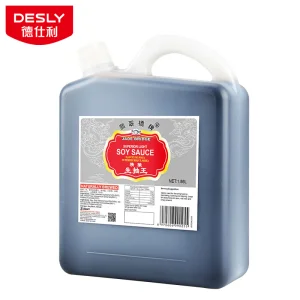
Our portfolio comprises 14 globally recognized licensed brands alongside 5 premium self-owned brands. We partner closely with renowned European and Asian manufacturing divisions—including Baronia (IT), Develey (DE), Martino (IT), and specialized Asian biological synthesis labs—to source and export high-purity fermented products, ranging from industrial-grade vinegar bases and bulk dark soy sauces to advanced functional pet snacks and probiotic powders.

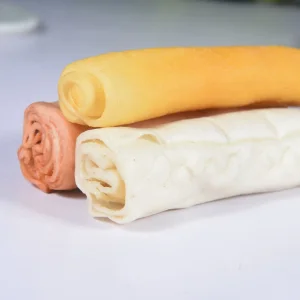
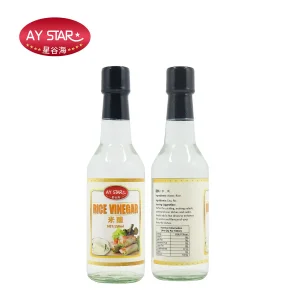
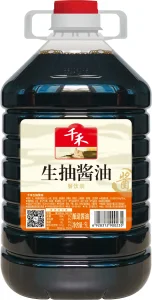
JETZ Foods provides highly specialized human and animal nutrition products engineered via state-of-the-art biological pathways. Our fermented condiments, such as halal-certified white rice vinegar and traditional dark soy sauce, are formulated via long-term, natural solid-state fermentation. Unlike rapid chemically hydrolyzed alternatives, naturally fermented products contain bioactive peptides, organic acids, and natural compounds that act as natural barriers against foodborne pathogens—ideal for storage and retail conditions across Central Africa.
For agricultural and industrial applications, our flagship biological agent, Pediococcus acidilactici (200 Billion CFU/G), is highly sought after by local feed mills and livestock enterprises in Equatorial Guinea. This homofermentative lactic acid bacterium exhibits extreme thermal tolerance, surviving feed pelleting temperatures up to 85°C. In the gastrointestinal tract of animals, it rapidly generates lactic acid, excludes opportunistic pathogens (e.g., Salmonella and E. coli), and improves feed conversion ratios under heat stress conditions.
Navigating import clearance at the Port of Malabo or the Port of Bata requires deep domain expertise in West African customs protocols. To ensure seamless cargo processing, JETZ Foods provides an end-to-end documentation portfolio with every shipment:
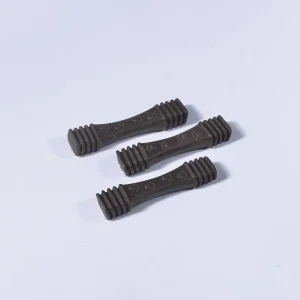
1. Phytosanitary and Veterinary Health Certificates: Required for all animal nutrition products (e.g., fermented dental bars, cat wet food) to confirm absence of pathogen contamination.
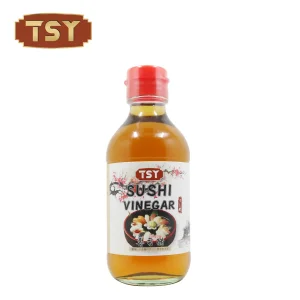
2. Halal and ISO Certifications: Essential for condiments like sushi vinegar and soy sauce to verify ingredient purity and compliance with cultural dietary laws.
3. Certificate of Free Sale (CFS): Confirming the items are authorized for consumption in the manufacturing origin.
4. CEMAC Tariff Classification: Pre-classification to prevent costly delays and processing disputes at customs.
Looking forward, JETZ Foods is integrating artificial intelligence into its fermentation strain selection and process optimization. By mapping metabolic outputs of microbial strains, we can tailor enzymes and bacterial strains specifically to withstand the unique climate and dietary compositions of West and Central African populations and livestock. Our technical roadmap aims to expand our biological processing footprints directly into local markets, transferring technical expertise and supplying advanced microbial concentrates to local food-processing hubs.
A: Our fermented foods (such as soy sauce, white vinegar, and dry pet treats) are formulated using advanced bio-preservation techniques. The high concentration of natural organic acids and antimicrobial metabolites generated during the natural fermentation process prevents pathogens from multiplying. This grants our products exceptional shelf stability at ambient room temperatures, bypassing the need for continuous refrigeration during transport and storage in Malabo or Bata.
A: For livestock operations and aquaculture feeds in Equatorial Guinea, Pediococcus acidilactici is highly stable, resisting heat, acid, and bile. It improves animal feed efficiency, prevents intestinal disorders caused by heat stress, and significantly lowers mortality rates. JETZ exports this probiotic in highly concentrated, freeze-dried powders, preserving maximum viability throughout long shipping durations.
A: Yes. JETZ Foods provides complete OEM/ODM customization services. We tailor product formulations, sizes, packaging specifications (including Portuguese and Spanish language labelling compliant with Equatorial Guinea’s national packaging regulations), and support target brands in developing competitive proprietary products.
A: Our human-grade fermented products, including sushi vinegar and traditional soy sauces, are manufactured in certified facilities holding ISO 22000, HACCP, and Halal certifications. This ensures full compliance with international food safety standards and streamlines local customs clearance.
A: For standard container shipments, the typical ocean transit time from our central hubs to the Port of Malabo or Bata ranges from 35 to 45 days. We handle export documentation, container locking, and temperature-mitigated packaging to guarantee that goods arrive in optimal condition.
A: Our direct B2B integration removes agent markups and supply chain complexity. By directly connecting overseas production facilities with your local distribution hubs, we reduce purchase costs, accelerate delivery speeds, and ensure more consistent supply during peak demand periods.


 JETZ Foods